ES
ES  EN
EN 

APOL1 Kidney Disease Awareness Day 2026
April 28th
Join NephCure in the movement to raise awareness of APOL1 kidney disease, a genetic form of kidney disease that disproportionately impacts people of African descent.
This APOL1 Awareness Day, April 28, we have an exclusive opportunity for you to connect with the researchers and leaders advancing the future of APOL1 care. Join the list to be among the first to learn how you can take part.
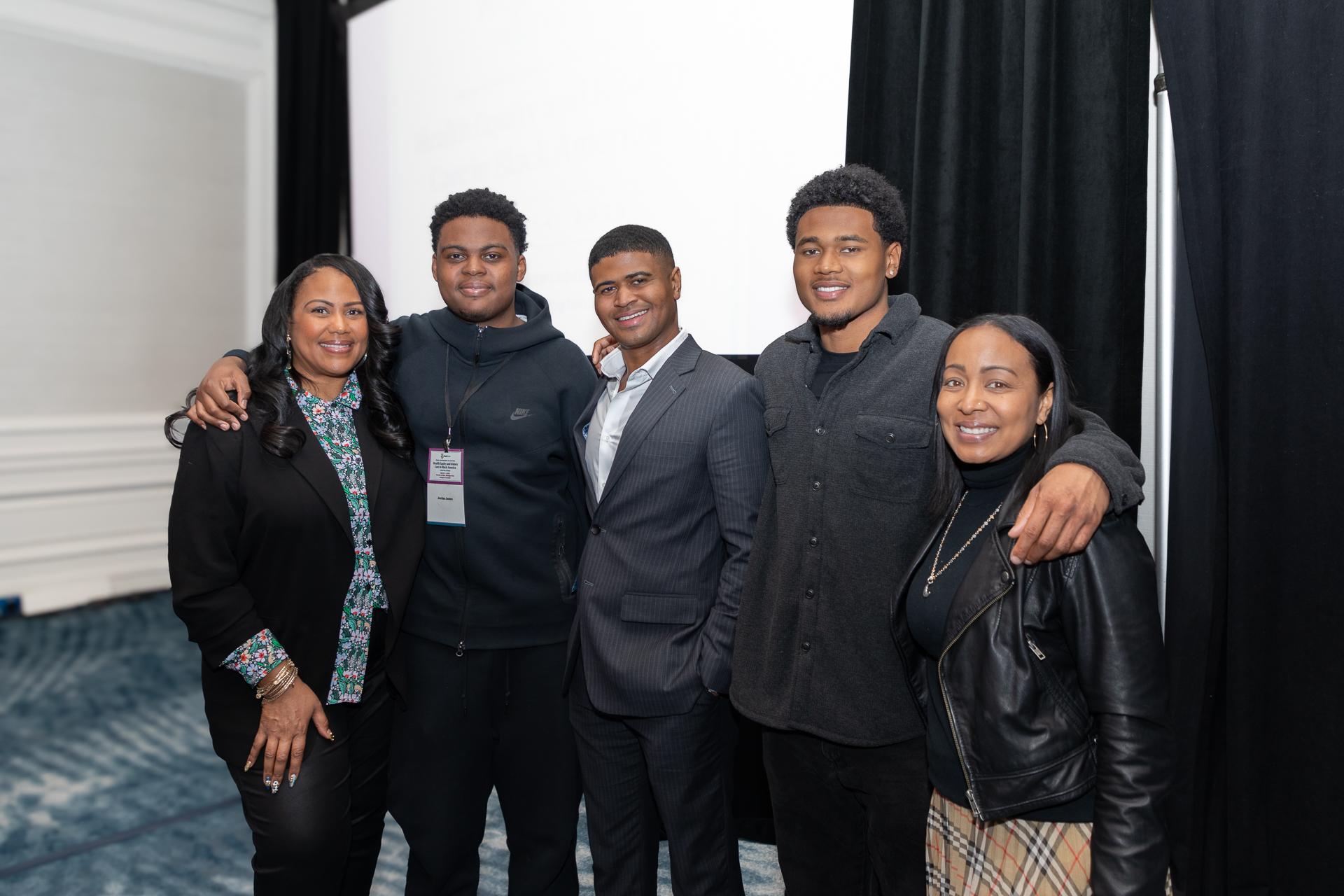

¿Qué es la enfermedad renal APOL1?
Every person inherits 2 copies of the APOL1 gene. Sometimes, there is a change in one or both of the APOL1 genes.
Those who inherit a change in both copies of their APOL1 genes have 10x to 30x the risk for developing kidney disease. These gene changes are only found in people of African descent.
People who are more likely to have the high-risk APOL1 genotype may identify as Black, African American, Hispanic, Latino, or Afro-Caribbean.
APRENDE MÁSAPOL1 Patient Story: One Teen’s Journey with FSGS
Meet Joshua Albright, a happy and seemingly healthy 17-year-old who had just graduated from high school and was on his way to college, his whole life ahead of him. By pure chance, Joshua and his mother had discovered he was in the midst of a high blood pressure crisis. Despite wanting to hang out with his friends, she sent Joshua straight to the ER. What happens next is NephCure’s hope for the future of everyone living with rare kidney disease: Joshua was immediately diagnosed with a rare and rapidly progressive kidney disease: FSGS.
Help Shape Future Treatments
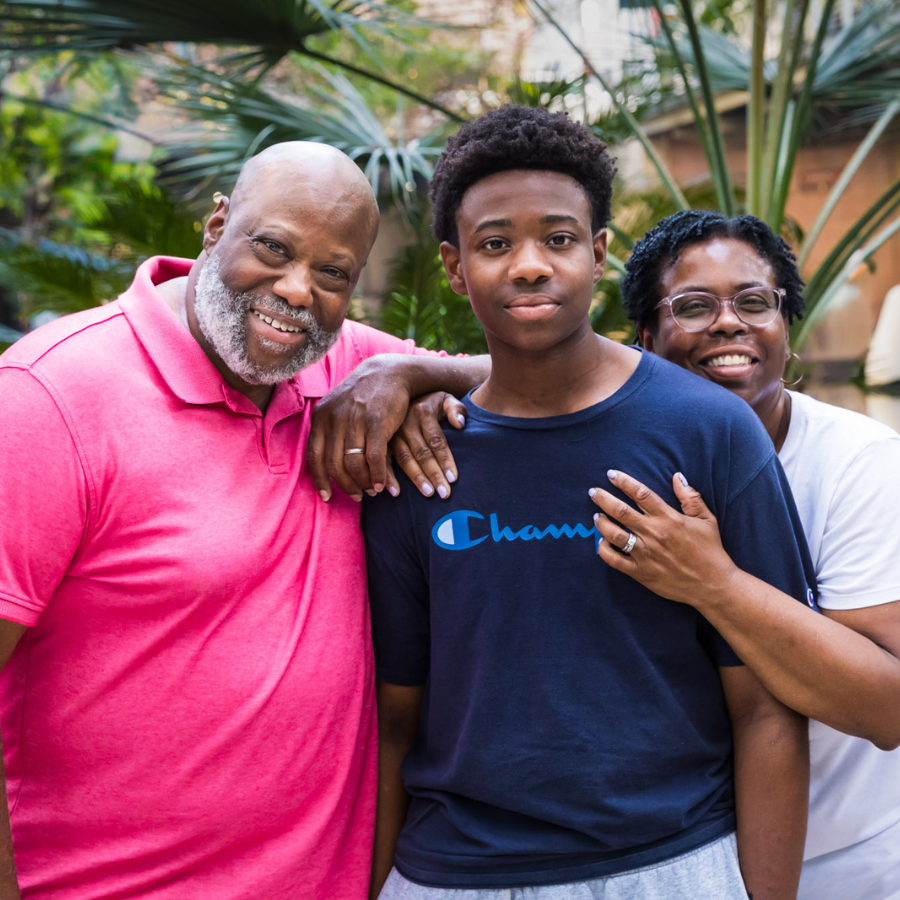
Your journey with APOL1 is powerful. By sharing your story, you can help drive progress in how this disease is understood and treated. This APOL1 Awareness Day, April 28, we’re unveiling a unique opportunity to connect directly with the researchers and decision-makers who are shaping the future of APOL1 care. Sign up to be the first to learn how you can get involved.
Sign up today
Know Your Risk
Kidney disease impacts millions of people, yet many don’t realize they’re at risk until it’s too late. Early detection can help slow progression, improve outcomes, and give you more control over your health.
Take our quick Kidney Risk Quiz to understand your chances of kidney disease and get personalized insights in minutes. With 1 in 7 Americans affected—and many unaware—early awareness can make all the difference.
tomar pruebaFacts About APOL1
1 in 8 or 13% of African Americans have the APOL1 gene changes that can cause APOL1 kidney disease.
De estos individuos, 1 de cada 5 desarrollará enfermedad renal APOL1.
APOL1 kidney disease is particularly aggressive. It can impact people of any age (including children and young adults) and often leads to kidney failure. There are currently no FDA- approved treatments for APOL1 kidney disease.
Approximately 40% of non-diabetic kidney failure is caused by APOL1 gene changes.
Wear your Support
Our APOL1 Awareness Day T-Shirt helps shine a light on the genetic risk factors behind kidney disease.
By wearing this shirt, you’re helping spark important conversations, raise visibility, and support ongoing efforts in education, research, and advocacy. Every purchase contributes to building awareness and empowering individuals with knowledge about their health.
Shop nowJoin NephCure in the Movement to Raise Awareness of APOL1 Kidney Disease
Share Your Voice on Social Media
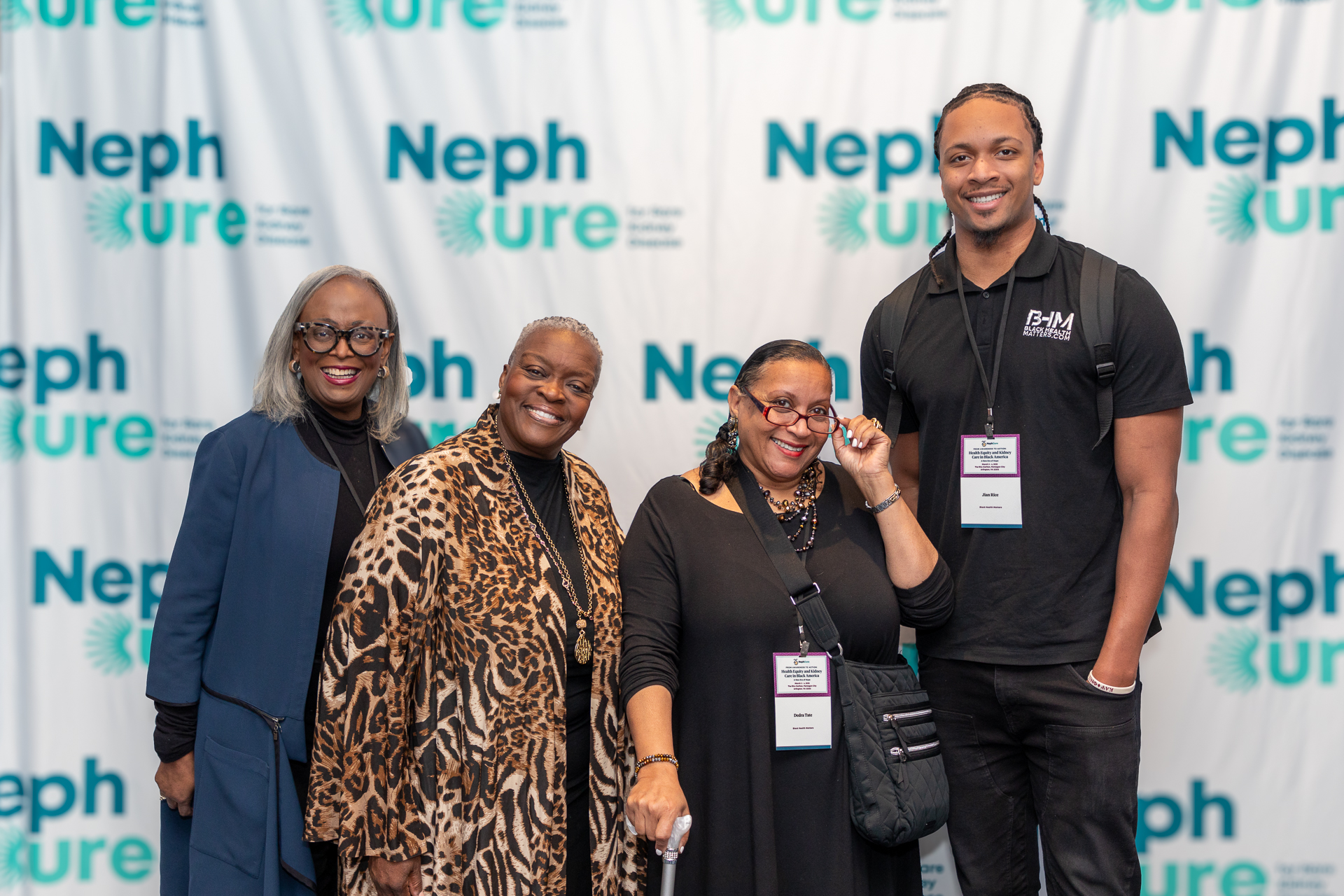
Help us flood social media with photos and downloadable graphics with APOL1 statistics and other information to raise awareness. Don’t forget to etiqueta @NephCure and use the hashtag #KnowYourAPOL1 so we can stay engaged with you!
Spread awarenessCelebrities you may know who are impacted by kidney disease
Aries Merritt
Aries Merritt, Olympic Gold Medalist in hurdling, was diagnosed with FSGS in 2013. He went on to won the bronze in the World Championship in Beijing, then flew home 3 days later for a transplant.
Alonso de luto
At the height of his NBA career, fresh off an Olympic gold medal win, Alonzo Mourning knew he didn’t feel his best. His team doctor referred him to a nephrologist, and a kidney biopsy confirmed his diagnosis: FSGS.
Recursos Relacionados
Click on the resources below to learn more about APOL1 kidney disease.
TODOS LOS RECURSOS

Thank You to Our Sponsors
Maneras de dar
Apoye a NephCure en nuestros esfuerzos por encontrar mejores tratamientos y una cura para las enfermedades renales raras (ERK) donando hoy. Su generosidad ayuda a financiar investigaciones críticas, programas de apoyo a los pacientes, esfuerzos de promoción y más. Cada dólar donado se utiliza al máximo, ayudándonos a generar impactos tangibles en la comunidad de RKD. Explore las diversas formas en que puede donar, incluidas donaciones únicas, donaciones mensuales, contrapartida del empleador y eventos de recaudación de fondos.
donate today