
RESOURCES

/

FIND A SPECIALIST

/

CONTACT

NephCure Expands Its National Network of Rare Kidney Disease Specialists

The growing NephCure Specialists program connects more patients and families to expert care for rare kidney diseases.

PHILADELPHIA, PA. (February 12, 2026) — NephCure, the leading nonprofit organization dedicated to creating equitable health access and improving outcomes for people living with rare, protein-spilling kidney diseases, announced the addition of a new cohort of 35 new NephCure Specialists, bringing the total number of specialists in their network to 207.

About the NephCure Specialist Program 

The NephCure Specialist program connects patients and caregivers with nephrologists who have deep expertise in focal segmental glomerulosclerosis (FSGS), IgA nephropathy (IgAN), membranous nephropathy(MN), and other rare kidney diseases (RKD). Specialists in the program demonstrate a commitment to patient-centered care, research, education, and collaboration with the rare kidney disease community.

“The NephCure Specialist Program has connected me with a wonderful community of people working to improve the lives of people living with glomerular disease. It has also been inspiring and intellectually stimulating for me to be a part of NephCure’s scientific and academic efforts,” Dr. Myda Khalid, NephCure Specialist and Associate Professor at Indiana University-School of Medicine said.

This group of carefully vetted physicians are not only leaders in clinical care, but also active champions of research, education, and advocacy within the kidney disease community. Their expertise helps ensure that patients receive accurate diagnoses, access to cutting-edge treatments, and the guidance needed to navigate complex and often life-altering conditions.

Through this program, NephCure aims to reduce diagnostic delays, expand awareness of clinical trial opportunities, and strengthen the connection between research advancements and real-world patient care.

Welcoming the 2025 NephCure Specialists

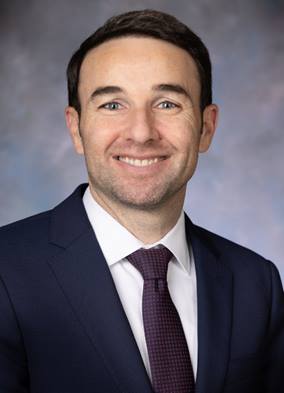
The 35 newly recognized NephCure Specialists represent a diverse group of adult and pediatric nephrologists across academic medical centers and community-based practices. Together, they bring expertise spanning clinical care, translational research, and leadership in glomerular disease programs.

Newly Recognized NephCure Specialists in 2025

To read more about each physician, and to find a NephCure Specialist near you, click here.  Are you a healthcare provider interested in becoming a NephCure Specialist or collaborating with the program? Click here to learn more and to nominate yourself or a colleague.

Thank You to Our Sponsors

NephCure gratefully acknowledges the generous support of our 2025 sponsors: Calliditas Therapeutics, Travere Therapeutics, ANI Pharmaceuticals, Alexion, Mallinckrodt Pharmaceuticals. We are thankful for their continued partnership and commitment to advancing research, education, and innovation in the rare kidney disease space. 

About NephCure

NephCure’s mission is to ensure that all individuals with rare, protein-spilling kidney disease have equitable access to the care and treatments that offer them the best kidney health outcome possible. Founded in 2000 by a group of committed patient parents, NephCure has invested more than $40 million in kidney disease research and helped create a landscape where there are now more than 60 interventional drug trials for primary glomerular kidney diseases. NephCure is a U.S. tax exempt 501(c)(3) public charity.
You Can Change FSGS Treatment Options: EL-PFDD 2020

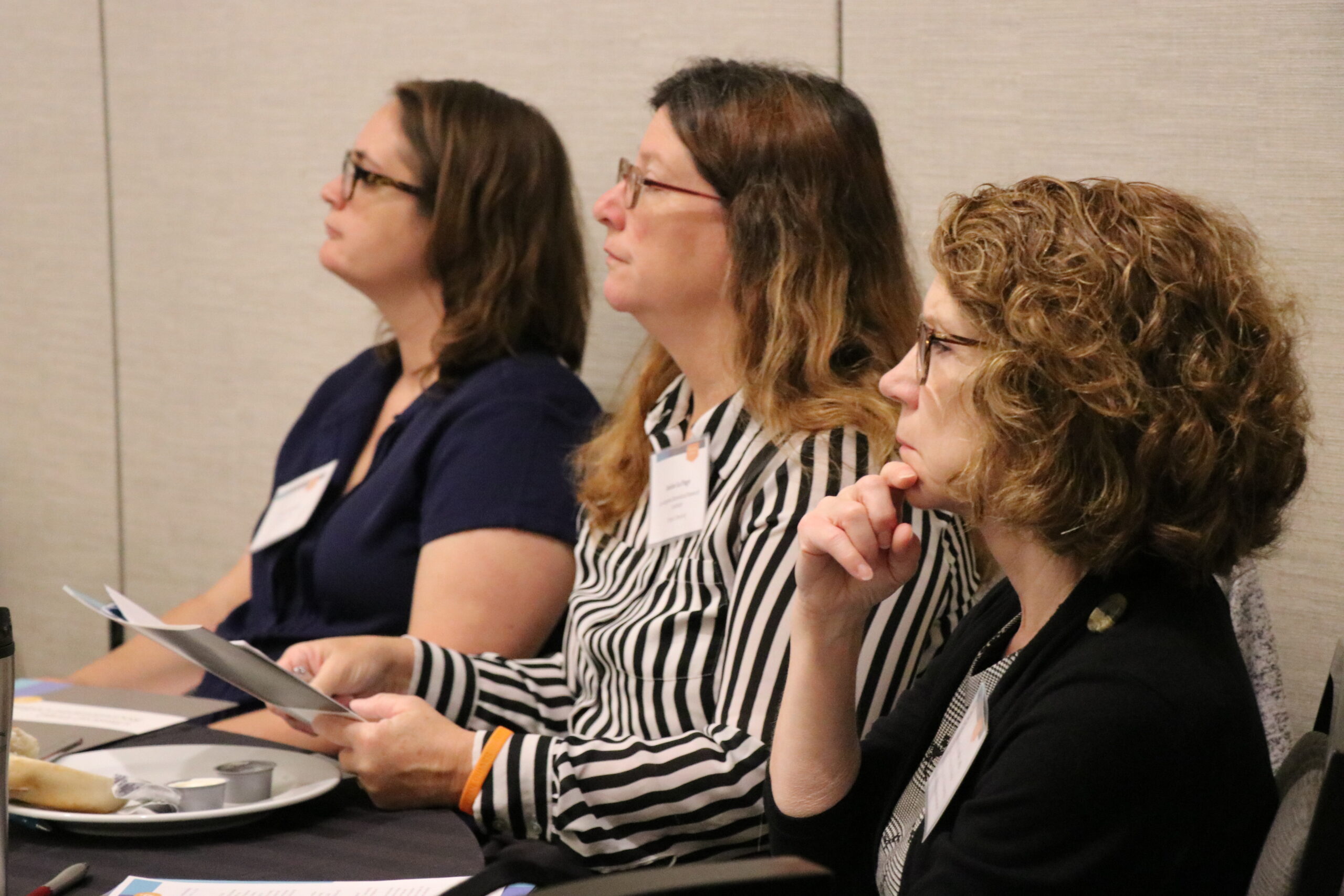
Externally led patient-focused drug development (EL-PFDD) meetings bring together patients and care partners, US Food and Drug Administration (FDA) representatives, pharmaceutical companies, and doctors who are experts in the particular disease. The goal is to hear from patients who have the disease, in order for the FDA and pharmaceutical companies to understand the patient experience.

This year, NephCure Kidney International and the National Kidney Foundation are coming together to conduct an EL-PFDD meeting, on August 28, 2020, to inform the FDA about the patient’s perspective of living with focal segmental glomerular sclerosis (FSGS). The meeting will be held online. We invite anyone who has FSGS, lives with someone affected by it, or is interested in it to attend this meeting. 

This year’s EL-PFDD meeting on FSGS will be co-chaired by two NephCure Specialists, Drs. Laura Mariani and Suneel Udani. The two of them answer the following questions regarding the importance of patient attendance at the meeting in August.


As a patient with FSGS, why should I consider attending this meeting? 

EL-PFDD co-chair and NephCure Specialist, Dr. Suneel Udani

Because FSGS is rare, most people designing and evaluating the results of clinical trials, that test new medications, have not met anyone with FSGS.  While clinicians taking care of patients with FSGS understand the impact the disease has on your lives, this impact is not something that can always be captured on a blood or urine tests, and therefore regulators who determine which medicine becomes available may not recognize the issues that patients face each day.

This meeting is your chance to explain not only the impact of the disease, but also the limitations of our current therapies. Each patient’s experience is unique, so hearing from as many different people as possible is incredibly helpful.

We encourage you to share not only what you would not only like, but also what you would expect from new treatments in terms of how they are administered, for how long the medication must be taken, the side effects, or anything else you think would be relevant to new treatments.  Each segment of the medical community (clinicians, researchers, industry leaders) benefits from hearing your perspective so that the new treatments available truly meet the needs of the intended population—you.

The EL-PFDD meeting is a unique setting where all these groups—patients, clinicians, scientists, industry, and regulators—are gathered together to listen. Therefore, your attendance and insight are dependent and vital to this meeting’s success.


How does this meeting contribute to putting new medications for FSGS on the pharmacy shelf?

EL-PFDD co-chair and NephCure Specialist, Dr. Laura Mariani

The comments from the meeting can inform the FDA about the urgent need for new, more effective, and less toxic treatment options for FSGS. The FDA tries to bridge communication between patients and the medical community. The FDA aims to develop criteria that not only represents the effectiveness of therapies, but also determines if these therapies truly help people feel better. In gathering patient feedback, this meeting will help companies design better studies to assess the symptoms most relevant to patients and help the FDA interpret the results of those studies with the patient’s needs in mind.


Why does the Food and Drug Administration want to hear from patients?

The FDA recognizes that patients and their family members are the experts on what it is like to live with FSGS and to take the currently approved medications.  This meeting can help the FDA better understand the impact of the disease and its treatments on patients.


As a doctor, why do you believe the EL-PFDD is important?

“As a physician, I have been frustrated with the treatment options for Nephrotic Syndrome since I learned what they were, how effective (or not) they are, and the side effects we ask patients to tolerate. However, for the first time in our history, there are more candidates for treatments and studies to investigate their impact. The potential for multiple new therapies has changed my perspective. Whereas in the past our bar for being excited for a new treatment was simply if it made an impact on abnormal lab tests, now we have to raise the bar to not only look at improving laboratory tests, but also how effective a treatment is at helping someone with the disease live better. We can never have that insight without the patient voice. Rather than hearing about patients’ experience after a new medicine has been approved, the EL-PFDD provides an opportunity for patients’ voices to truly shape the narrative and make sure that the approval process includes the perspective of those living with the disease and what is important to them.” -Dr. Suneel Udani

“I want to be able to offer patients more effective and less toxic therapies for FSGS.  To do that, we need to lower the barriers at every step of the drug development and approval process.  Hearing directly from patients is the best way for our partners in this process to understand the urgency of need in this area and to help all of us improve the lives of patients living with FSGS.” – Dr. Laura Mariani


To register for this year’s EL-PFDD meeting focusing on FSGS on August 28, 2020, please click here

Do you have Focal Segmental Glomerulosclerosis (FSGS)?

Have you or your loved one been diagnosed with FSGS? We have resources for you.

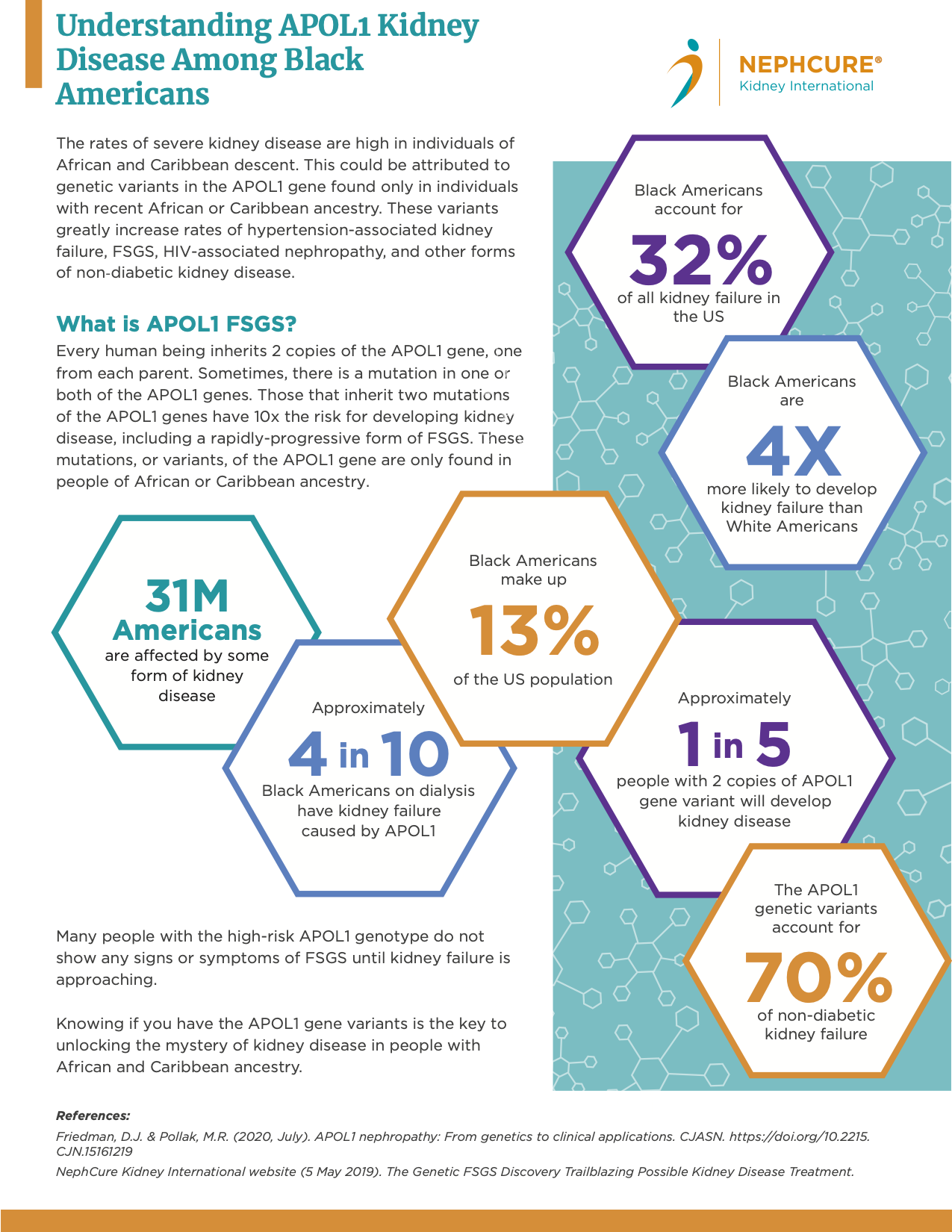
The rates of severe kidney disease are high in individuals who are African American, Hispanic black, Afro-Caribbean, or of African ancestry. This could be due to differences in the genetic makeup in the APOL1 gene found typically in individuals with recent African, Caribbean, or Latin American descent. These differences in the genetic makeup are associated with increased rates of hypertension-associated kidney failure, FSGS, HIV-associated kidney disease, and other forms of nondiabetic kidney disease.

Fast facts about APOL1 FSGS:

  • Black Americans account for 32% of all kidney failure in the US
  • Black Americans are four times more likely to develop kidney failure than White Americans
  • Approximately 4 in 10 Black Americans on dialysis have kidney failure caused by APOL1 gene changes
  • Approximately 1 in 5 people with two copies of the APOL1 gene changes will develop kidney disease
  • The high-risk APOL1 genotype is present in 75% of Black patients with FSGS

Below are resources we’ve complied that might be useful for you:

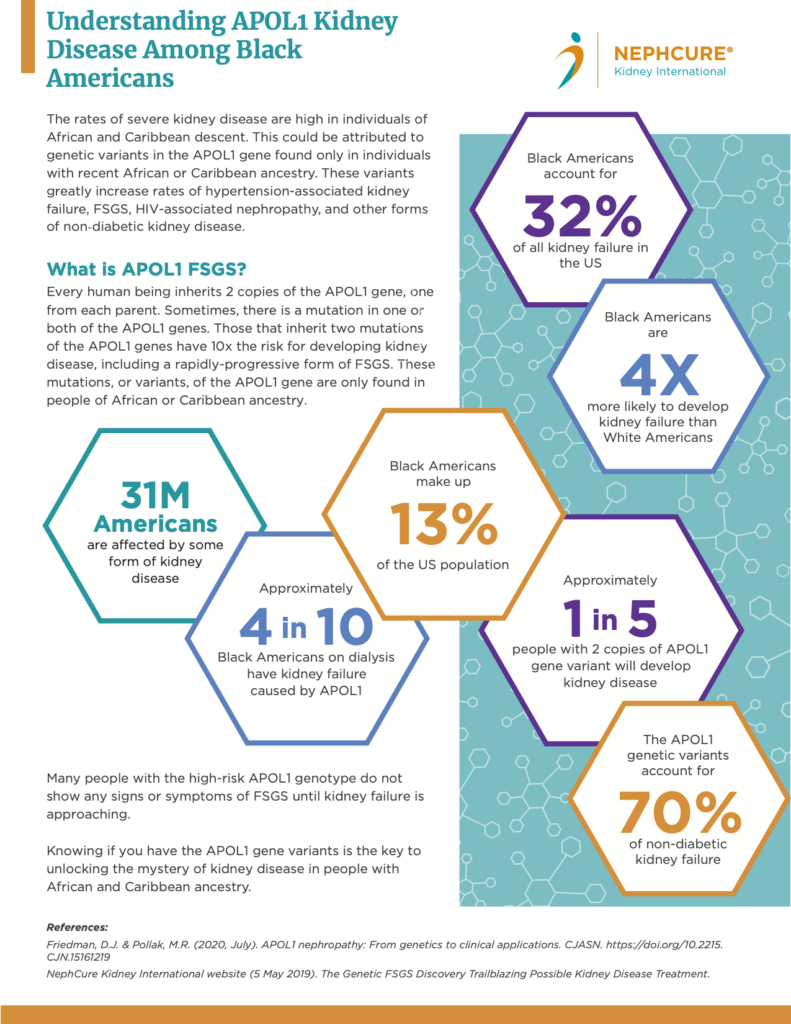
This informational flyer on APOL1 FSGS breaks down the basics and helps you better understand this disease.

To download the full informational sheet, click here.

In June 2020, we hosted a NephCure U session specifically on APOL1-Associated FSGS. Dr. Jeffrey Kopp from the NIDDK lead, “Kidney Disease in Patients of African Descent: APOL1-Associated Disease” and discussed more on the diagnosis, treatment options, and clinical trials. Listen in on the hour-long educational webinar below.

NephCure co-hosted a GlomCon Clinical Trial Conference Series session on Advances in APOL1 Therapeutics on February 14, 2021, featuring Dr. Ogo Egbuna, Dr. Opeyemi Olabisi, and Dr. David J. Friedman. Click here to watch the recording of this session.

In addition to these resources, there are also clinical trials available for APOL1-Associated FSGS patients. Clinical trials look at the safety and effectiveness of potential new treatments. The main goals of clinical trials are to find new ways to prevent, detect (find) or treat diseases or health conditions, and to make sure potential new treatments or therapies work well and are safe for people.  Check out some pre-screener questions below, provided by Vertex, to see if their clinical trial could be a fit for you or your loved one.

  • Eligible participants must meet the following criteria:
  • Be male or female adults between the ages of 18 and 65 (inclusive)
  • Female participants must not be pregnant or breast-feeding
  • Be of African, Caribbean or Latin American descent
  • Have had a kidney biopsy which has found focal segmental glomerulosclerosis (FSGS)
  • Have not had a diagnosis of kidney disease other than FSGS
  • Be willing to complete the investigational apolipoprotein L1 (APOL1) gene test
  • Be willing and able to follow the study instructions

To learn more about Vertex’s clinical trial, click here.  If you meet the preliminary criteria listed above, find the location closest to you and click the “I’m Interested” button to get in touch with an investigator for additional evaluation of eligibility.

You can find a full list of clinical trials for all protein-spilling kidney diseases on KidneyHealthGateway.com.

Finding Strength, One Brick at a Time: Amanda Skeens’ Transplant Journey

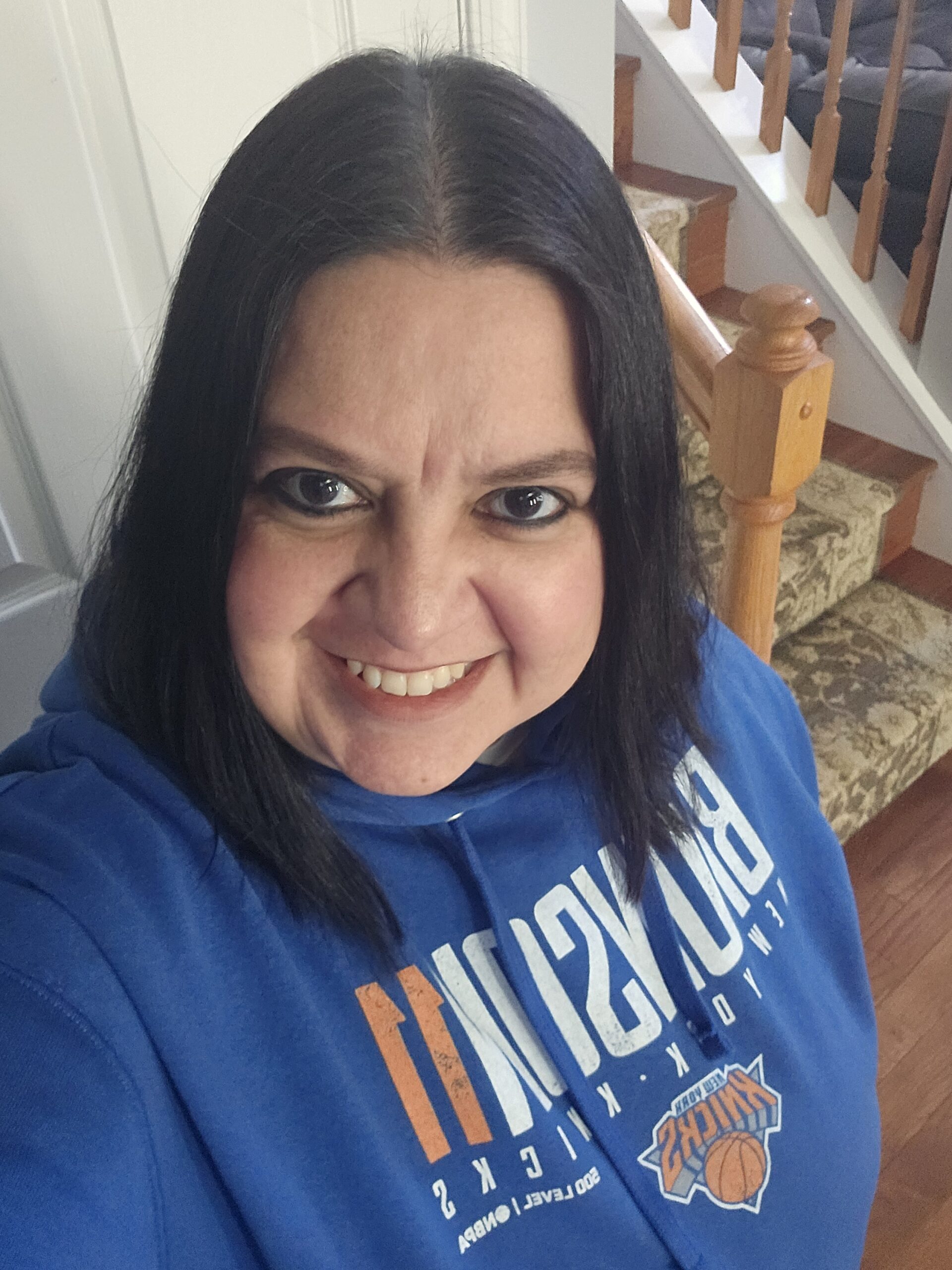
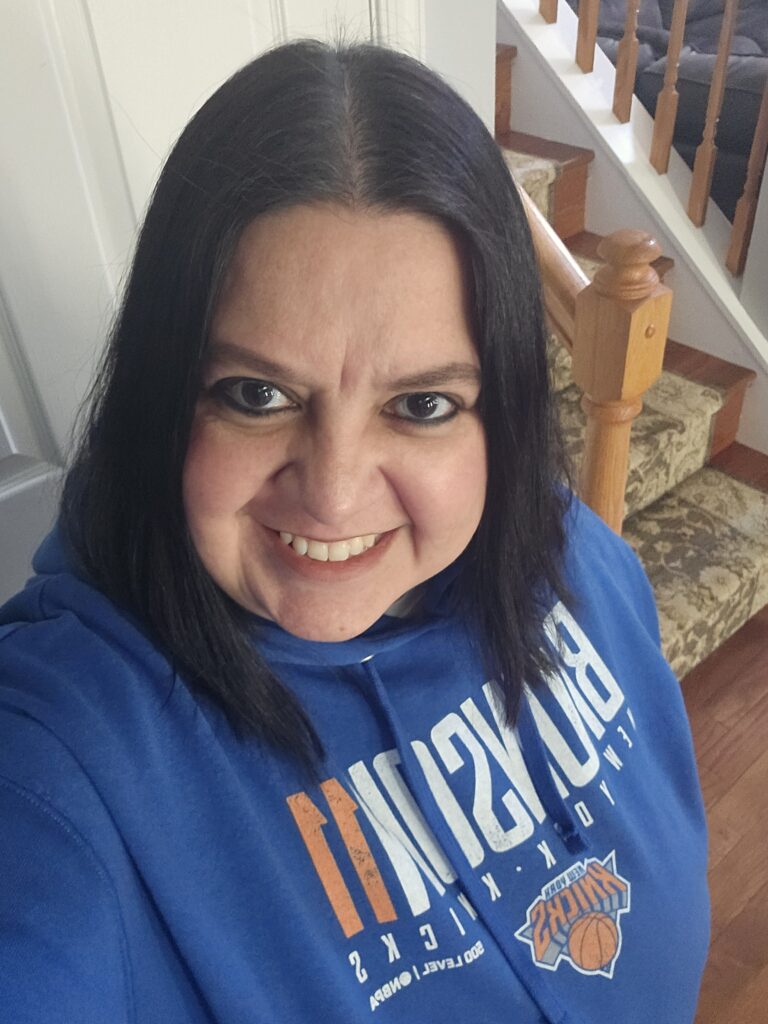
For New Jersey native Amanda Skeens, life has always been about connection to her family, her passions, and her resilience. Whether cheering on her beloved New York Rangers or spending hours building elaborate LEGO sets, Amanda knows how to find joy in the small things.

Her joy was tested in 2007, when she was diagnosed with IgA nephropathy, a rare kidney disease (RKD) discovered through a routine physical from her urinalysis. 

“I never had any visible or physical symptoms of anything being wrong,” Skeens stated. “Suddenly, my being adopted had me thinking that I have no medical history to look back on.”

For years, Amanda managed her disease with limited treatment options. In 2018, stress from work triggered a dangerous kidney flare-up that caused her protein levels to spike dramatically. When her doctor advised that she begin transplant evaluation, it was a difficult reality to face.

“I knew I would get to this point eventually,” she said. “But I was declining so rapidly that it was hard to process this whole new world.”

Determined to take charge of her care, Amanda switched nephrologists and found the support she needed. “My new nephrologist was fabulous from day one,” she said. “He told me he would help delay my transplant, and he did, for almost five years.”

In December 2024, Amanda received the call she had been preparing for — she was ready for a kidney transplant. Her donor would be her cousin, Joe, who had selflessly volunteered to be tested.

Today, nearly one-year post-transplant, Amanda and Joe are both thriving. “He jokes that he’s doing everything he normally would with ‘only one kidney,’” she said. “But I will forever be indebted to him for this generous gift of a second chance at life.”

As she recovered, Amanda leaned on her favorite hobby, which was building LEGO sets to keep her mind and spirit strong. She bought a massive set with more than 3,000 pieces to work on after surgery.

“I use LEGO as a fun way to relax and decompress,” said Amanda. “While doing LEGO, I listen to music, and I am super focused on building and checking out of the world for hours on end. LEGO has been a great escape for my mental health because this is what I find to be a fun and light-hearted activity to do.”

Amanda’s journey has taught her the power of self-advocacy and mental resilience.

“Looking back, I feel like my diagnosis did change the way I looked at my life, because I never let this determine who I am as a person,” she said. “My biggest advice for other RKD patients is that you must be your own advocate and arm yourself with the knowledge that is available to all of us and bring it forward to your nephrologist.”

To read more stories, just like Amanda’s, click here or to help continue to raise awareness about rare kidney disease, share your story with NephCure here.

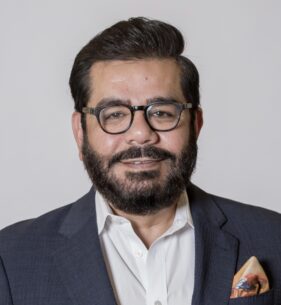
NephCure Specialist of the Month: October 2025: Dr. Arvind Madan

We are proud to shine a spotlight on Dr. Arvind Madan, our NephCure Specialist of the Month for October. This recognition honors the exceptional contributions of NephCure Specialists to the field of nephrology, highlighting their impactful work, innovative projects, and dedication to supporting the rare kidney disease (RKD) community.

Dr. Arvind Madan is a board-certified nephrologist and is a partner physician and executive board member (vice president) at Central Florida Kidney Specialists (CFLKS) in Orlando, FL.  He is the founder and president of NCCF.R (research division of CFLKS) where he is the principal investigator in numerous clinical trials.  He is also the president of the Florida Society of Nephrology.

He is an assistant professor of internal medicine at the University of Central Florida (UCF) College of Medicine and assistant professor at the Orlando College of Osteopathic Medicine. He’s the Director of multiple DaVita Dialysis Units. Dr. Madan is also an attending nephrologist in the residency program at Orlando Regional Hospital System. He received his medical degree from Maulana Azad Medical College in New Delhi, India. He completed his residency in internal medicine at Nassau County Medical Center in East Meadow, NY. He then completed his fellowship in nephrology at the State University of New York (SUNY) Health Science Center (HSC) in Syracuse, NY.

In addition to his academic and clinical work supporting patients, Dr. Madan has collaborated closely with NephCure to expand access to treatment for individuals living with rare kidney diseases. Recently, NephCure had the opportunity to sit down with Dr. Madan to discuss FSGS and advances in rare kidney disease care. When asked what he finds most rewarding about working with this community, Dr. Madan shared 

“The patients with RKD are scared, confused and looking for someone with experience in their disease to help guide them through this lifelong journey with the best possible outcome.  Due to the very fact it is “rare”, not all nephrologists treat RKD.  Nephrology has evolved tremendously and in particular RKD.  This requires staying up to date on the latest research and developments in the understanding of the pathophysiology and the latest therapies to appropriately manage RKD.”

We understand how overwhelming and stressful it can feel to receive a rare kidney disease diagnosis. When we asked Dr. Madan what guidance he would offer to someone newly diagnosed with FSGS, he shared words of support and advice: 

“There is a wide variety of possible causes of FSGS.  It’s a pattern of injury that you see under the microscope. Therefore, finding a cause through further investigation (i.e., eliminating secondary origins, genetic testing) and appropriate treatment is the start.  While it is one of the more difficult GN’s to treat, the treatment landscape is constantly evolving and while various therapeutic agents are currently available, many ongoing clinical trials offer viable therapeutic options.   Since our practice participates in many of these clinical trials, our patients have the opportunity to consider participation locally.  I tell patients that while an FSGS diagnosis can feel overwhelming and stressful, we have many more options today than we did in the past and educating themselves on their disease through social media groups and patient advocacy groups, like NephCure, can help patients feel more empowered.”

Having a connection to a supportive community is vital for patients with rare kidney diseases, allowing them to connect with others who truly understand their experiences. We asked Dr. Madan about the role patient advocacy organizations like NephCure play in bridging the gap between patients, caregivers, and specialists, and he shared: 

“When patients receive a diagnosis, most will search online for more information, so we need organizations like NephCure to help guide patients and caregivers to the appropriate specialists in a timely manner, refer them to active research sites like ours, provide information on their disease and help connect them with others in similar situations.”

Dr. Madan’s dedication to research, patient care, and community support truly makes a difference in the lives of those affected by rare kidney diseases. As our NephCure Specialist of the Month for October, he exemplifies the power of expertise, compassion, and collaboration in helping patients navigate their journey with hope and confidence.

For more information about NephCure Specialists and to find rare kidney disease experts in your area visit, NephCure’s Find a Specialist webpage. 

NephCure Specialist of the Month August 2025: Dr. Dana Rizk

We are proud to shine a spotlight on Dr. Dana Rizk, our NephCure Specialist of the Month for August. This recognition honors the exceptional contributions of NephCure Specialists to the field of nephrology, highlighting their impactful work, innovative projects, and dedication to supporting the rare kidney disease (RKD) community.

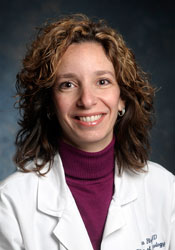
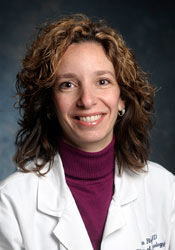
Dr. Rizk is a board-certified adult nephrologist and Professor of Medicine in the Division of Nephrology at the University of Alabama at Birmingham. She earned her medical degree from the American University of Beirut, followed by her residency and fellowship at Emory University Hospital.

Her clinical and research expertise focuses on glomerular diseases, with a special emphasis on IgA nephropathy (IgAN). Dr. Rizk has served as a principal investigator for numerous clinical trials and is deeply involved in multidisciplinary research aimed at advancing understanding and treatment of IgAN. Since 2015, she has led the Division of Nephrology’s Clinical Trials Research program, and since 2019, she has also served as Medical Director for the Clinical Trials Administrative Office.

Beyond her academic and research accomplishments, Dr. Rizk works closely with NephCure to help identify barriers to timely diagnosis and effective treatment for patients living with IgAN. Her commitment ensures that patient voices are heard and that care continues to move toward better, more accessible solutions.

To help patients better understand this rare condition, we asked Dr. Rizk to explain what IgA nephropathy is and how it affects the kidneys. Here’s how she described it: 

“IgAN is a rare kidney disease characterized by the accumulation of IgA in the glomeruli (the filtering units of the kidneys) that ultimately results in inflammation and scarring leading to loss of kidney function over time. It is an autoimmune disease that requires multiple steps or “hits” to develop. The first step is an increase in immunoglobulin A protein (IgA) lacking specific sugars (galactose) also known as Galactose-deficient IgA. This is then recognized by antibodies that bind to galactose deficient IgA and lead to the formation of circulating immune complexes. These immune complexes ultimately deposit in the kidneys where they trigger a cascade of events resulting in inflammation, fibrosis and ultimately loss of kidney function in a subset of patients.”

We know that conversations about treatment, especially for rare kidney diseases can sometimes feel overwhelming. To help, we asked Dr. Rizk to share her advice for patients on how to approach these discussions with their physicians, including conversations about clinical trial opportunities. Here’s what she had to say: 

“Patients should come to their visits prepared to discuss treatment options. Any time they are considering a treatment they should evaluate with their doctor how will this treatment affects the disease and ultimately protects their kidneys. Additionally they should get familiar with common side effects they might experience while taking the treatment. When I talk to my patients about treatment options I mention to them clinical trial opportunities and remind them that participation in clinical trials is an option to consider to have access to new and exciting therapies that are being evaluated.”

Being diagnosed with a rare kidney disease can bring many questions—and often, uncertainty—about how the condition might progress over time. We asked Dr. Rizk, a glomerular disease specialist, how she helps her patients cope with and navigate this uncertainty. Here’s what she shared: 

“I discuss with patients that at the time of diagnosis we know of certain clinical, laboratory and pathologic findings that are risk factors for their disease progression. Some of these risks are however modifiable and with treatment we could change the course of their kidney disease. Besides medications, lifestyle changes are also important and contribute to their overall health. To monitor their progress we will be checking periodically labs including kidney function tests, urinalyses and urine protein levels. Patients need to keep in mind that all labs have inherent variability so we often focus on lab trends over time to make therapeutic decisions.”

For more information about NephCure Specialists and to find rare kidney disease experts in your area visit, NephCure’s Find a Specialist webpage. 

NephCure Hosts First-Ever Teen Takeover Weekend to Empower Youth Living with Rare Kidney Disease

This weekend-long event was designed as a space for teenagers, and their families, navigating RKD to connect, build confidence, and prepare for the transition from pediatric to adult care.

Through engaging discussions, mentorship from young adults with lived experience, support from nephrologists, and dedicated time for both teens and their parents, the program helped bridge the gap between medical transition and emotional readiness.

A New Kind of Experience

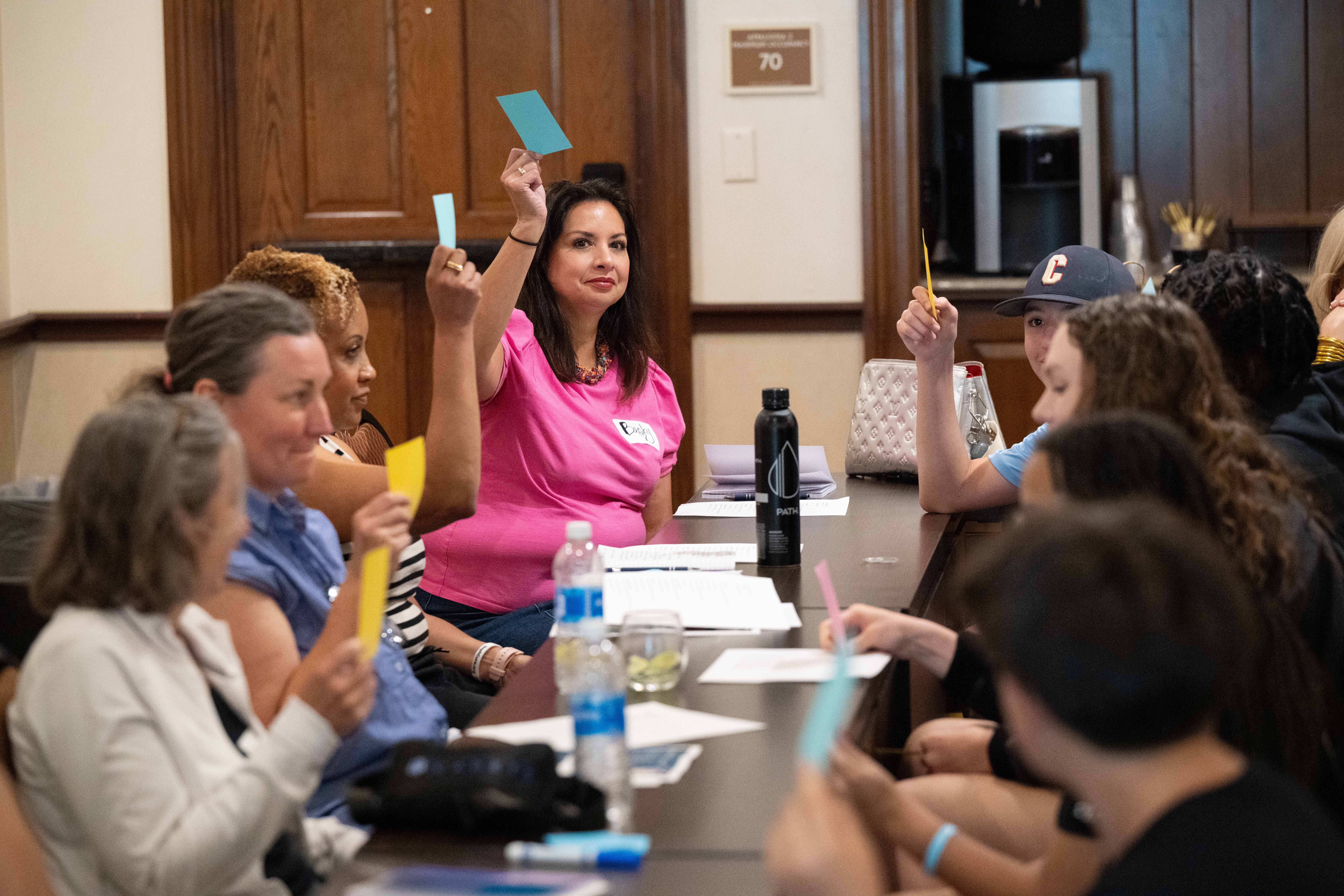
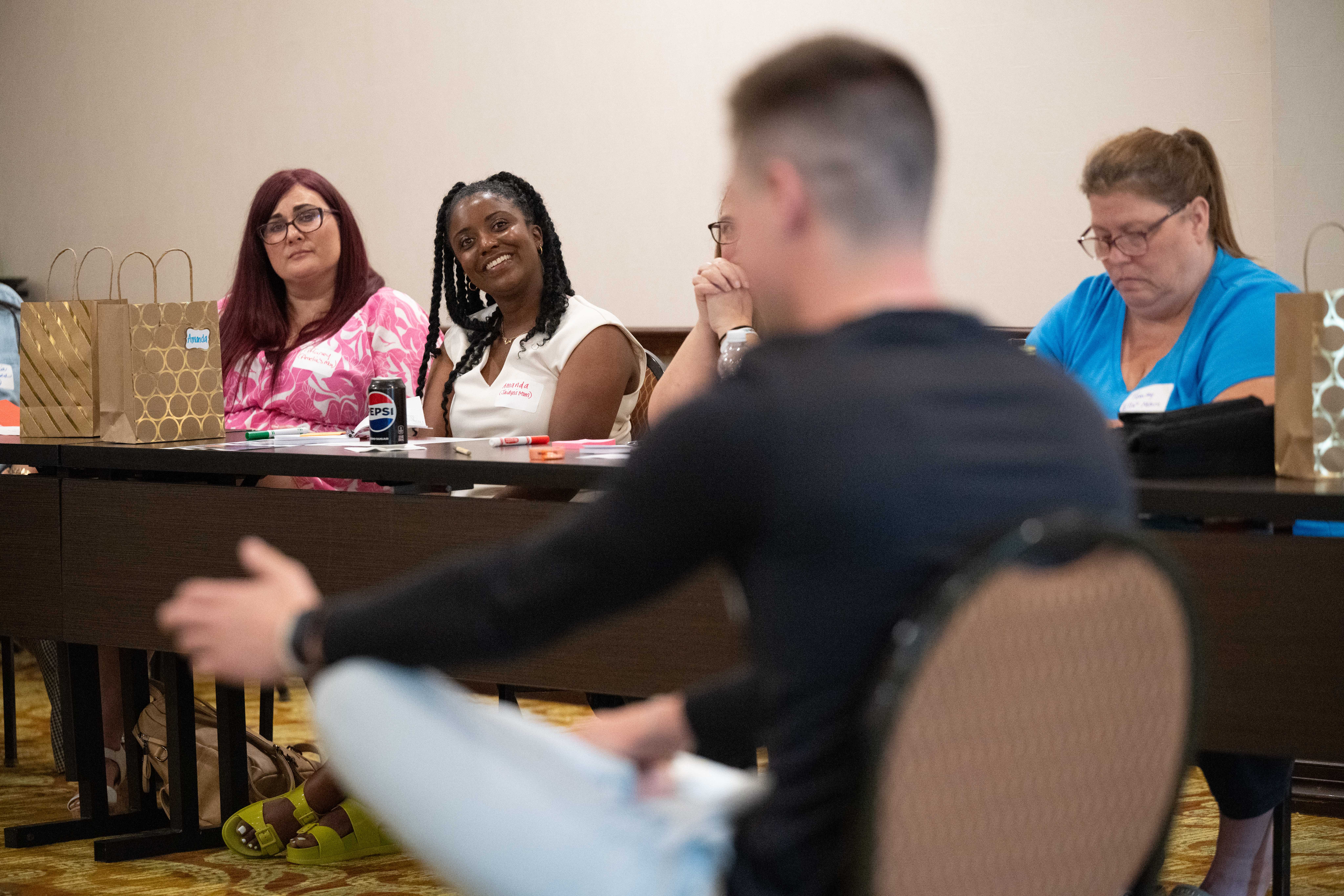
Teen Takeover Weekend stands apart from traditional educational offerings. Instead of lecture-style programming, it offered teens and their caregivers a series of connection-driven, age-appropriate sessions that tackled everything from medication management to identity and independence.

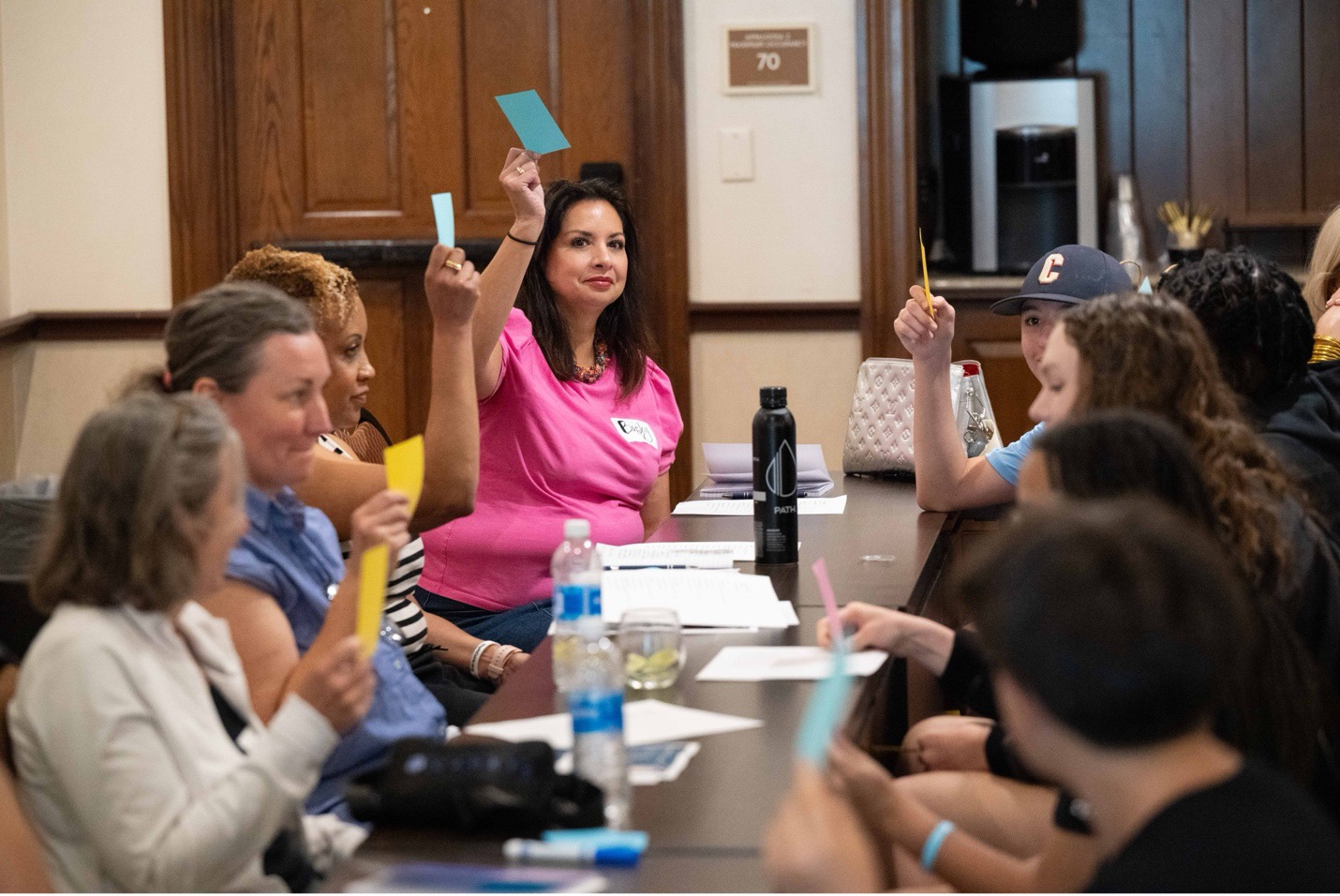
Participants explored hard questions and real-life challenges through hands-on activities, peer-led discussions, and a shared focus on community. Sessions like “Unfiltered: Real Talk on Living Your Best Life with RKD,”“Your Next Big Move,” and “Flip, Flop & Pop” created opportunities for reflection, vulnerability, and honest dialogue not just between teens, but between families as well.

With support from Dr. Sreedhar Mandayam, an adult nephrologist and NephCure Specialist and two exceptional young adult patient mentors, Sean Converse (who has IgA nephropathy) and Keyaira Sanders (who has minimal change disease), attendees were given rare insight into what adulthood with RKD can look like and how to get there with support and strength.

A Space to Be Seen and Heard

Eleven teens, aged 15–19, and their caregivers participated in the pilot program, all of whom are affected by rare, protein-spilling kidney diseases including, FSGS, minimal change disease, IgA nephropathy, and membranous nephropathy.

The weekend opened with a welcome dinner and professional photo session to encourage early bonding. On Saturday, programming split into tailored teen and parent tracks, allowing each group to reflect on their individual journeys while building a deeper shared understanding. Creative projects like tie-dye shirts and vision boards added color to deep conversations around transition and responsibility.

Favorite sessions among families were the “Yours, Mine, or Ours?” activity and the “Flip, Flop & Pop,” event where families revealed their responses and popped balloons to spark new conversations about shared care and independence.

Reflections from the Weekend

The event’s emotional impact was echoed in post-session chats, group messages, and feedback collected throughout the weekend:

  • “This weekend filled my cup. So grateful.”
  • “My soul needed this.”
  • “She didn’t realize how much she needed to form these connections.”
  • “I feel so grateful for the information I received but I am most grateful that Ace made real connections.”

Parents expressed appreciation for the space to connect with one another and learn directly from young adults who had already walked the path their children are on. Teens found relief in not having to explain themselves, they were simply understood.

Teen Takeover Weekend showed just how meaningful it is to give teens and their families a space that’s built specifically for them. From shared stories to honest conversations, the weekend created a sense of connection and understanding that many didn’t realize they needed.

As one parent put it, “Soul cup is full. We are not alone.”

To learn more about upcoming events and future opportunities to get involved, click here or contact info@nephcure.org.

About NephCure:

NephCure’s mission is to empower people with rare, protein-spilling kidney diseases to take charge of their health while leading the revolution in research, new treatments, and care. Since 2000, NephCure has invested more than $40 million in kidney disease research and helped transform the treatment landscape through advocacy, education, and support. NephCure is a U.S. tax-exempt 501(c)(3) public charity.
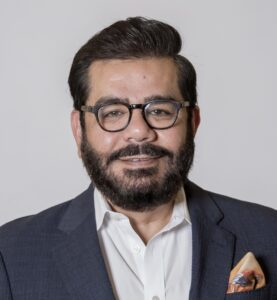
 

NephCure Specialist of the Month July 2025: Dr. Guillermo Hidalgo

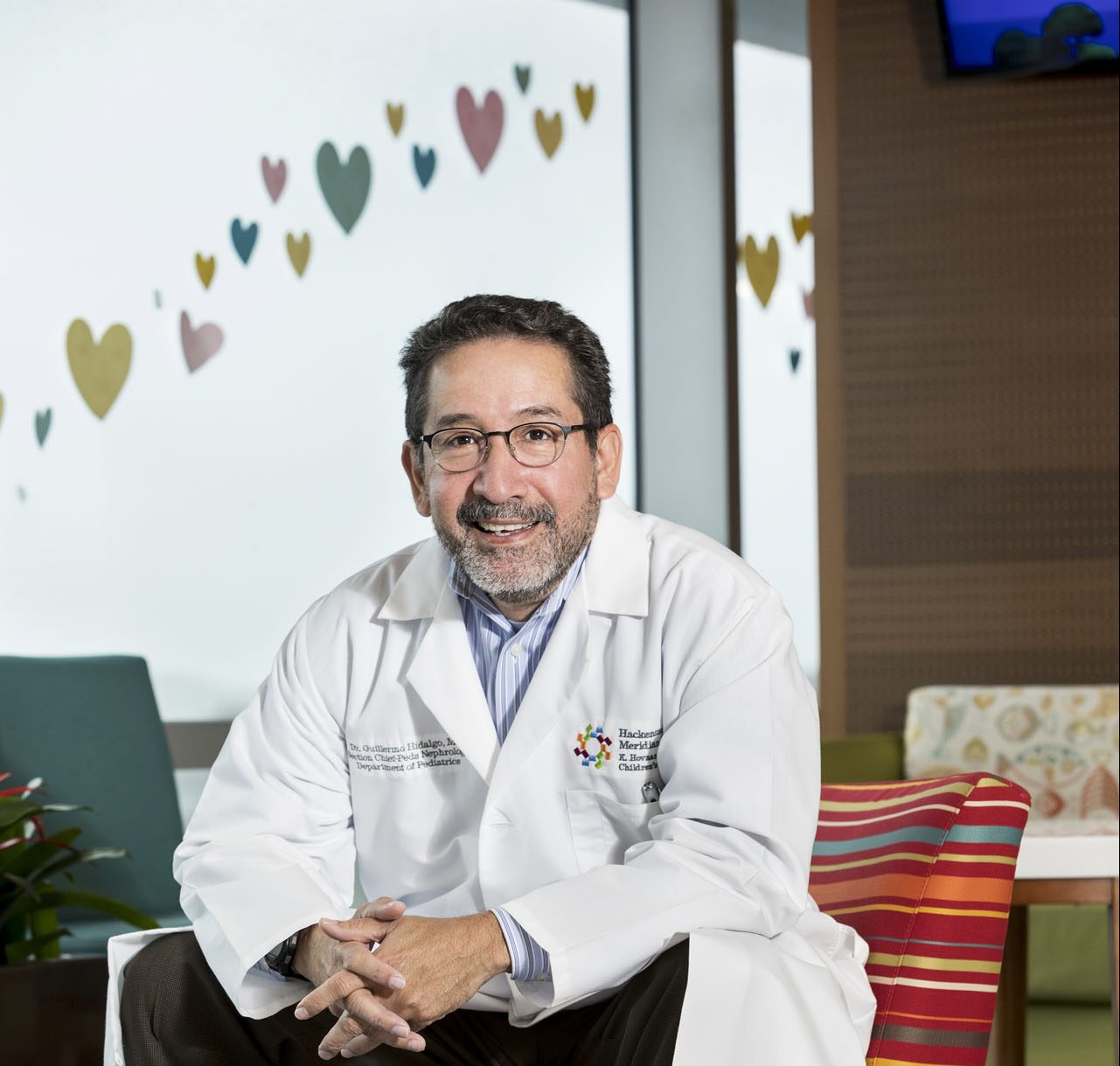
We are incredibly proud to highlight Dr. Guillermo Hidalgo, our NephCure Specialist of the Month for July. This initiative recognizes the outstanding contributions of NephCure Specialists to the field of nephrology, spotlighting their work, projects, accomplishments, and valuable advice to the rare kidney disease (RKD) patient community.

Dr. Guillermo Hidalgo is a board-certified pediatric nephrologist at Hackensack University Medical Center and serves as the Division Chief of Pediatric Nephrology at K. Hovnanian Children’s Hospital in New Jersey. He earned his medical degree from the University of Salvador and completed both his residency and fellowship in pediatric nephrology at SUNY Downstate Medical Center.

Dr. Hidalgo’s clinical expertise includes congenital kidney anomalies, pediatric hypertension, chronic kidney disease (CKD), acute kidney injury, dialysis, and kidney transplantation. His research interests focus on the impact of socioeconomic factors on CKD progression, environmental nephrotoxicity, nephrotic syndrome, and glomerulonephritis.

Dr. Hidalgo has been an active participant in NephCure’s Rare Kidneys on the Hill Day and a dedicated supporter of NephCure’s broader advocacy initiatives. In anticipation of this year’s event, taking place on July 23rd and 24th in Washington, D.C., NephCure sat down with Dr. Hidalgo to learn more about his deep commitment to patient care and advocacy.

We asked him why it’s so important for patients, specialists, and experts to engage in advocacy efforts—and here’s what he had to say:

“Being involved in advocacy efforts is first a privilege and a responsibility to give voice to millions (37 M) of patients with rare kidney diseases in the US who may not have their voices being heard. It is of highest importance.”

Participating in a Hill Day for the first time can feel intimidating, especially for those new to advocacy. To help ease those concerns, we asked Dr. Hidalgo to share his advice for patients who may feel hesitant about speaking up or engaging in legislative advocacy. Here’s what he shared: 

“Interest and engage yourselves into advocacy (by any means) towards your own needs and the needs of millions of patients suffering through the same severe hardships of rare kidney diseases.”

Lastly, we asked Dr. Hidalgo to share his insights on the New Era of Preventing End-Stage Kidney Disease Act H.R. 1518 and how it affects patients’ access to care and their ability to communicate with healthcare providers. Here’s what he had to say:

“Importantly, in the US the best way to make long lasting changes is through legislation. It is important to network and bring about high awareness of the profound impact that rare kidney diseases have in the US population. It is supremely important to invest in early diagnosis and preventive measures of rare renal disease progression towards the need for dialysis.  Rare kidney diseases leading to the need for dialysis have a profound, deleterious economic, health and mental health impact on millions of lives and families all across the land. There is around 124 billion cost of its care, massive loss of quality of life, significant loss of individual and family productive lives, and progressive aggregating numbers to the waiting list of renal transplants.”

If you would like to learn more about the New Eras of Preventing End-Stage Kidney Disease Act H.R. 1518, you can click here.

For more information about NephCure Specialists and to find rare kidney disease experts in your area visit, NephCure’s Find a Specialist webpage. 

NephCure Specialist of the Month June 2025: Dr. Gabriel Cara Fuentes

We are incredibly proud to highlight Dr. Gabriel Cara Fuentes, our NephCure Specialist of the Month for June.  This initiative recognizes the outstanding contributions of NephCure Specialists to the field of nephrology, spotlighting their work, projects, accomplishments, and valuable advice to the rare kidney disease (RKD) patient community.

Gabriel Cara Fuentes, MD, PhD, is a pediatric nephrologist and director of the Glomerular Disease Clinic at Nationwide Children’s Hospital. He is an assistant professor of pediatrics at The Ohio State University and a principal investigator at the Kidney and Urinary Tract Center.  Dr. Cara Fuentes earned his medical degree from the University of Granada Spain and completed his pediatric residency training at Torrecardenas Hospital in Spain and at the University of Florida.  His clinical interests include glomerular diseases such as nephrotic syndrome, MCD, FSGS, IgAN as well as other proteinuric kidney diseases such as Alport syndrome. His NIH-funded research is focused on understanding the mechanisms responsible for proteinuria in children with protein-spilling kidney diseases.

NephCure sat down with Dr. Cara Fuentes to explore his passion for caring for patients with rare kidney disease.

Since FSGS Awareness Day is on June 10th, we asked Dr. Cara Fuentes why it’s so important for patients diagnosed with FSGS to connect with a glomerular disease specialist. Here’s what he shared: 

“Because FSGS is a rare condition, it is important to connect with glomerular disease specialists to ensure a prompt and accurate diagnosis to help decide on the best therapeutic and provide accurate information about outcomes, etc. For those types of FSGS in which doctors cannot identify a particular cause, also known as primary FSGS, the treatment consists of immunosuppressive therapies. These are not necessarily benign medications, so connecting with specialists in glomerular diseases is important to discuss the best potential therapies for a particular patient. This is very important given how fast the therapeutic landscape is evolving for patients with FSGS. Over the last few years, we have witnessed an increase in clinical trials testing novel targeted therapies. Thus, connecting with experts in glomerular diseases may help patients to stay tuned regarding potential clinical trials that could potentially benefit their health.” 

Feeling supported during a doctor’s visit can make a big difference. That’s why we asked Dr. Cara Fuentes how he makes sure his patients always feel cared for and heard. Here’s what he shared with us: 

“First, I think the key is to listen to our patients. Every patient experiences the disease and/or therapies and/or disease uncertainties in a particular manner, so to understand this, doctors first need to listen. Second, as a provider, I think it is important to educate patients about the disease and to be transparent with what we and we do not know, what to watch out for, what to expect or not, etc., so they need to be well informed and to advocate for themselves as well. In this regard, platforms like NephCure are critical for our patients. Third, it is important that clinicians not simply focus on “numbers” such proteinuria or kidney function, but rather see the patient as a whole, and help address other aspects such as mental health, nutritional status, etc. This is particularly important for vulnerable populations such as children. So, clinicians need to address not “only” the kidney disease but also facilitate access to nutritionists, social workers, psychologists, etc.  Fourth, in the case of children, while the patient is a child, this diagnosis will have an impact on the whole family, so it is important to be keep this in mind and to provide support as necessary/feasible.”

With so many new treatments on the horizon and exciting research underway, we asked Dr. Cara Fuentes to tell us more about the work being done at the Cara Fuentes Lab and the studies they’re currently focused on.

“In our lab, we are trying to identify molecules that make the kidney filters “leaky” and that help predict clinical outcomes and response to therapies. These are key approaches to discover novel therapies to help clinicians to individualize care as each patient has its own journey with the disease. Specifically, we are investigating how the lining of the blood vessels within the kidney may contribute to the protein leak, and we are looking for strategies to restore the integrity of the kidney filter.”

For more information about NephCure Specialists and to find rare kidney disease experts in your area visit, NephCure’s Find a Specialist webpage. 

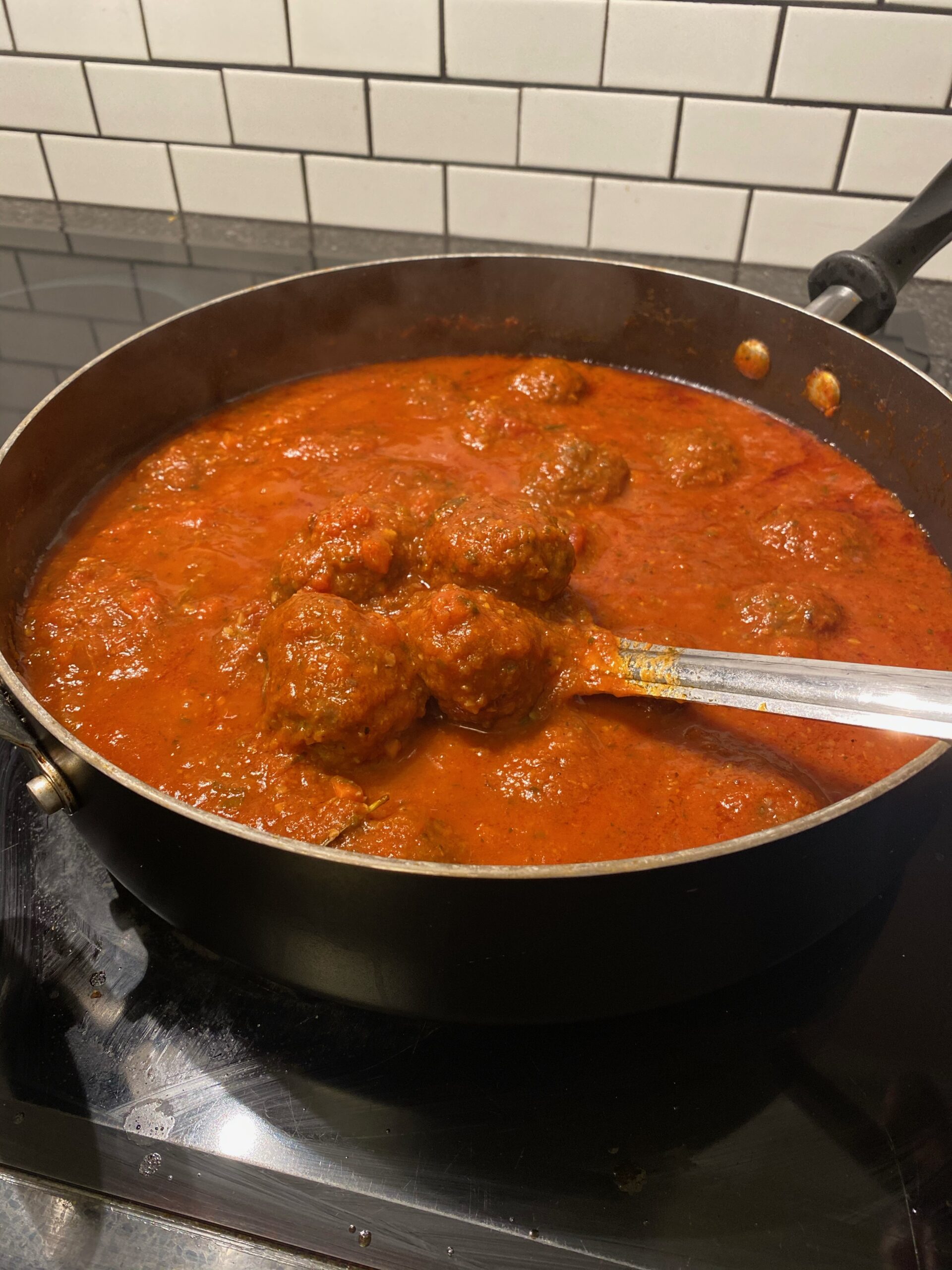
Chef Sachet’s (Low-Sodium) Homemade Spaghetti and Meatballs

Chef Sachet is not only navigating her career as a private chef during a global pandemic, but also caring for her young son diagnosed with FSGS. She sticks to a kidney-conscious diet when she cooks. While we recently shared Sachet’s ‘Seasonings Edition,’ she now presents a yummy homemade, low-sodium spaghetti and meatballs recipe that includes those seasoning blends. Enjoy!

Homemade Spaghetti and Meatballs

Meatballs    

1.5 lbs ground beef 
1 lb sweet italian sausage  
2 tbsp pepper    
1 egg       
1/2 cup breadcrumbs  

Spaghetti Sauce

4 whole large tomatoes, chopped fine
1 can of tomato paste
1 large can of tomato sauce
2 cups of water
1 whole onion, bell pepper, minced
4 whole garlic cloves, minced
2 tbsp olive oil
Instructions: 
  • Mix the ground beef and italian sausage by hand in a bowl.  Then add seasoning, breadcrumbs and egg.
  • Set aside.
  • Boil noodles, drain & cool. Then set aside.
  • Chop all the tomatoes, onion, bell pepper and garlic and saute in large pot on medium heat for 10 minutes until veggies are translucent.
  • Pre-heat oven to 375 degrees.
  • Roll meatballs using a ice cream scooper or large spoon onto a sheet tray. (TIP: Portion all the meatballs then oil your hands and roll each into perfect balls – this will help the meatballs from sticking to your hands).
  • Once veggies for sauce are broken down, add tomato products and water. Let simmer for 15 minutes. 
  • Bake meatballs on 375 for 15 minutes.
  • Once sauce is simmered, add garlic and herbs.
  • Remove meatballs from oven, drain grease and add to sauce, let simmer for 10 min.
  • Once sauce and meatballs are simmered and tasty add pasta and DEVOUR!!!!!!!!

Chef Sachet’s Kidney-Friendly Recipes: Seasonings Edition

As a private chef and mother to a young boy battling FSGS, it’s important to Chef Sachet to keep kidney-conscious recipes in mind. In this ‘Seasonings Edition,’ Sachet shares helpful tips around making foods flavorful, without them being full of salt.

For a kidney-friendly diet, we constantly hear the words “low-sodium.” And while there are certain pre-made seasonings, rubs, and blends out there, I try to be mindful of what ‘salt-substitute’ seasoning I use. Often times, salt-substitutes have higher levels of potassium.  Your best bet is to invest in herb-based seasoning blends or make your own! Here’s some seasoning blends to make at home that are shelf stable and delicious!

    • All purpose poultry seasoning: equal parts onion powder, garlic powder, pepper, Italian seasoning (dried basil, thyme, rosemary).
    • Chili seasoning: equal parts: onion powder, garlic powder, pepper, cayenne, red chili powder, ground cumin, paprika, chili flakes.
    • Veggie blend seasoning: equal parts dried chives, dried onion, dried garlic, chili flakes, any dried herbs, dried citrus peel.

When looking to pack flavor into a dish try infused olive oils! They add great flavor and aromatic notes to anything you’re cooking. Start with the infused oil trifecta!

    • Garlic oil:
      1. 6 garlic cloves chopped to 1 cup of olive oil.
      2. In a small saucepan, bring the sliced garlic and oil to a boil, then turn the heat to low, and cook for 5 minutes, until the garlic is lightly browned. Turn off the heat and set aside. The garlic will continue to cook. Bottle once cooled. 30-day minimum shelf life.
    • Basil oil:
      1. 2 cups packed sweet basil to 1 cup olive oil.
      2. Bring a pot of water to a boil. Have a bowl of ice water ready. Blanch the basil leaves in the boiling water for about 10 seconds. Remove them quickly with a strainer and dunk in the ice water. Remove from the water and squeeze gently to remove the excess water.
      3. Roughly chop the basil and put it in a blender. Add the oil; blend until the basil is puréed. The mixture will be very frothy. Let the purée settle for about 30 min. Use immediately or refrigerate for up to a week. For the best flavor, let the oil come to room temperature before using.
    • Chili oil:
      1. ½ cup of chili flakes to 1 cup vegetable oil.
      2. Bring a pot of oil to a low simmer, add chili flakes, and let cook for 5 minutes while chilis sizzle. Turn off heat and let cook.
      3. Do not strain out chili flakes, bottle once cooled. 30 day minimum shelf life.

Super Bowl Turkey Chili: A Chef Sachet Low-Sodium Recipe

Come Sunday, many of us will be gathered around the television watching the Tampa Bay Buccaneers and the Kansas City Chiefs battle it out in Super Bowl LV. Whether you’re there for the football or just for the snacks, we have you covered with a delicious, low-sodium game-day meal your entire family will love.

We’ve previously introduced you to Chef Sachet, a private chef based out of Detroit whose son was diagnosed with FSGS. This recipe follows a low-sodium diet. Her Super Bowl Turkey Chili recipe is below. To check out her other recipes, click here.

Super Bowl Turkey Chili (Low-Sodium)

Prep Time: 30 minutes

Cook time:  2 hours

Serves: 4

Ingredients:

  • 1 sweet onion, diced
  • 1 green bell pepper, diced
  • 4 garlic cloves, minced
  • ½ jalapeño, minced
  • 2 lbs. lean ground turkey, cooked and drained
  • 14 oz or 1 large no salt added can stew tomatoes
  • 1 ½ tbsp ground cumin
  • 1 tbsp paprika
  • 1 tbsp chili powder
  • 1 tbsp black pepper
  • 1 cup cheddar cheese
  • ½ cup chopped green onions
  • For more spice, add jalapeño (optional)

Instructions:

  • Sauté onion, garlic, bell pepper and jalapeño in 2 tbsp olive oil remove from pot.
  • Cook ground turkey and drain excess fat, add back to pot with sauteed vegetables.
  • Add cumin, paprika, chili powder and pepper sauté for 10 minutes.
  • Add tomatoes and let cook for 1 ½ on simmer or low heat.
  • Once thickened and flavorful, serve with your choice of toppings!

Nutrition Facts:

  • For a real diet recipe, add chopped zucchini or squash instead of beans. They provide the same rich flavor without the phosphorus or potassium content.
  • Cheese is high in phosphorus, if you are on a renal diet due to ESRD or Dialysis, feel free to omit the cheese from this recipe.
  • Tomatoes are high in potassium, if you are on a full renal diet, you can leech fresh tomatoes and stew them on your own.


We encourage you to talk with your doctor regarding what diet and nutritional guide is best for you to follow.