ES
ES  EN
EN 
My name is Berkleigh Kennedy, and as a high school sophomore, I stepped into Washington, D.C., in July 2024 for my first Rare Kidneys on the Hill Day not knowing what to expect. Armed only with my personal story of living with a rare kidney disease and a budding confidence to speak publicly, I arrived ready to share, although nerves made me question if I belonged. What I found instead was empowerment, community, and the realization that my voice could drive real change for kidney patients everywhere.
They say your story is your superpower at Hill Day, and they couldn’t be more right.
At just 13 years old, I was diagnosed with minimal change disease (MCD), a rare kidney condition with no known cure. Suddenly, my teenage world revolved around 60 milligrams of daily steroids, a challenging regimen that disrupted school, friends, and my sense of normalcy. When I arrived at Hill Day, however, I met dozens of others walking the same path. Some had endured even greater hardships, from organ transplants to years of dialysis. Their resilience showed me I wasn’t alone, and it dissolved the isolation I’d felt for years. If you’re hesitating because you lack experience, let me reassure you: I had none either, and that didn’t matter one bit.
My adventure truly began the evening before at the Rally Dinner, an event I can’t recommend highly enough. There, I connected with my advocacy team, the incredible Matt Johnson, Lauren Eva, and my mom, along with patients, families, and advocates from across the country. We shared stories, reviewed NephCure’s legislative priorities, and practiced our “asks” for better research funding and patient protections. Those initial conversations built instant bonds; some of those people remain friends today, even after attending the next Hill Day together.
Hill Day itself unfolded as a whirlwind of congressional meetings, each more rewarding than the last. Picture this: my team and I enter a bustling office, check in with the staffer, and wait in a conference room while I rehearse my key points under my breath.
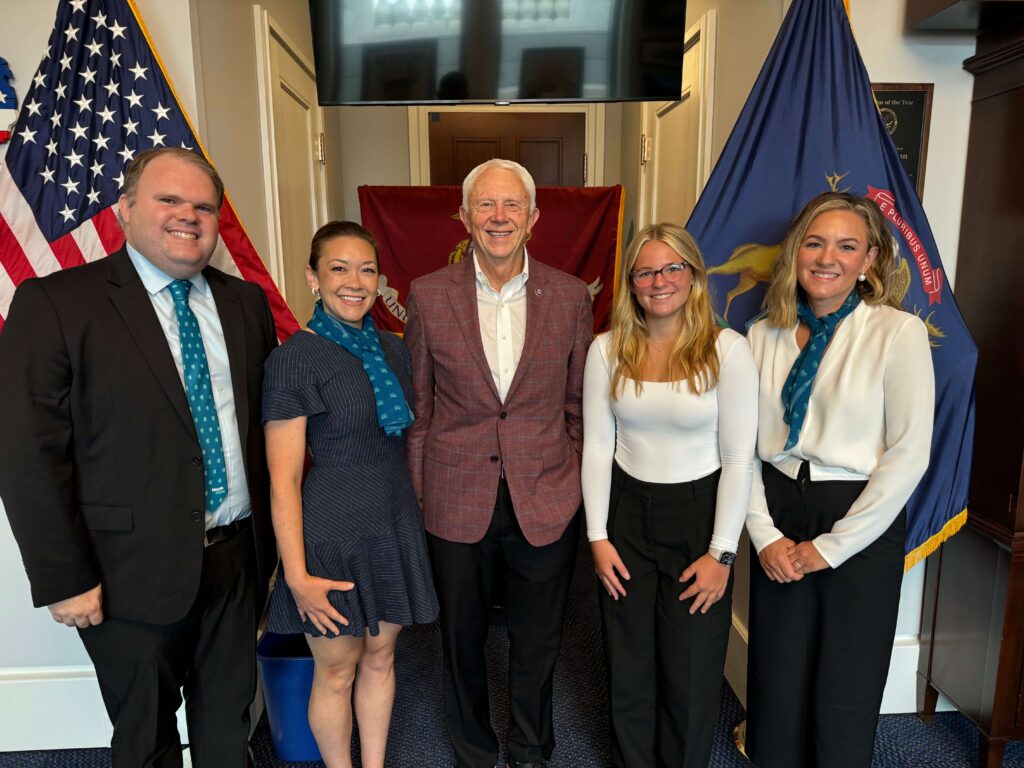
Then, the Congressman himself walks in, a rare treat, as meetings often happen with health policy staff. Heart racing, I shared my journey: the shock of diagnosis, the side effects of steroids, the hope sparked by community. I tugged at heartstrings with honest details, knowing these leaders represent constituents like me.
My first meeting wasn’t flawless, but it built momentum; each subsequent one felt easier as I refined my delivery. The truth is, congressional offices crave these personal stories; they humanize policy and remind elected officials why advocacy matters. Between appointments, the real magic happened in hallways and lounges, where I met advocates of all ages trading tales of triumph and trial. These exchanges shattered my lingering sense of isolation. For the first time, I saw my diagnosis not as a solitary burden but as part of a shared fight. Listening to others and voicing my own experiences instilled profound hope and belonging. I left understanding that my advocacy could amplify awareness, secure vital funding, and pave the way for breakthroughs benefiting kidney patients nationwide and perhaps worldwide.
Rare Kidneys on the Hill Day transformed me from a nervous sophomore into a confident advocate. NephCure’s push for legislative priorities isn’t abstract policy; it’s about accelerating research, improving treatments, and offering hope to families like mine. If you’re living with a rare kidney disease or supporting someone who is, I urge you: join us next time!
Ready to use your voice to make a difference? Learn more about NephCure’s Rare Kidneys on the Hill Day experience, advocacy priorities, and how to get involved by clicking aquí.