RESOURCES

/

FIND A SPECIALIST

/

CONTACT

NephCure Unveils New Mission Focusing on New Era of Access for Rare Kidney Disease Patients

Reflecting 25 years of progress and partnership, NephCure strengthens its commitment to ensuring every individual with rare, protein-spilling kidney disease can reach the care and treatments they deserve. 

PHILADELPHIA, PA (January 6, 2026) – NephCure, a leading non-profit dedicated to improving the lives of people affected by rare kidney diseases, announces a new mission statement that reflects both the extraordinary progress achieved for rare, protein-spilling kidney diseases (RKD) and the organization’s vision for the next era of patient support. The new mission ensures equitable access to care and emerging treatment for every person living with these debilitating diseases.

For more than a quarter century, NephCure has worked alongside patients, caregivers, researchers, industry, and physicians to transform the RKD landscape. When NephCure was first founded, there was little scientific understanding of RKD, no FDA-approved treatments, and virtually no drugs in development. 

Thanks to the hard work of this community, that reality has changed. NephCure has helped make six FDA-approved treatments possible, fueled more than 60 clinical trials, and built a thriving community of over 40,000 families who have found knowledge, hope, and connection. 

As scientific breakthroughs accelerate, NephCure recognizes FDA-approved treatments are not the finish line, but rather the starting line. Too many families still face barriers: late diagnosis, difficulty finding expert physicians, and inequities that delay or block access to care and new treatments.  

To meet this moment, NephCure introduces its new mission statement: 
 
To ensure that all individuals with rare, protein-spilling kidney disease have equitable access to the care and treatments that offer them the best kidney health outcome possible. 
 
This new mission strengthens NephCure’s longstanding work and reaffirms its commitment to walking beside patients while also adapting to the change needed in order to make these treatments truly accessible for all.  

NephCure is uniquely positioned to create change because they work at many levels. The organization brings together researchers, clinicians, industry leaders, and policymakers to set priorities and raise the standard of care. At the same time, we walk beside families— providing navigation, education, advocacy, and community.  

This approach ensures that progress in science becomes progress in patients’ lives. It comes to life through four guiding commitments:  

  • Optimizing outcomes through earlier diagnoses and faster connections to expert care.  
  • Empowering patients with knowledge, tools, and support to navigate the healthcare system.  
  • Amplifying patient voices so lived experiences shape research, policy, and care.  

Fostering community and equity by cultivating a trusted home for all who are affected by RKD.  

About NephCure: 

NephCure’s mission is to ensure that all individuals with rare, protein-spilling kidney disease have equitable access to the care and treatments that offer them the best kidney health outcome possible. Founded in 2000 by a group of committed patient parents, NephCure has invested more than $40 million in kidney disease research and helped create a landscape where there are now new treatments and more than 60 interventional drug trials for rare kidney diseases. NephCure is a U.S. tax exempt 501(c)(3) public charity.  

The FDA Grants Accelerated Approval to VOYXACT, a New Treatment Option for Adults with IgA Nephropathy

December 2, 2025 — Last week, another major step forward was made for the IgA nephropathy (IgAN) community. The FDA granted accelerated approval for VOYXACT (sibeprenlimab-szsi), Otsuka’s new treatment for adults with primary IgAN who are at risk for disease progression. 

The FDA’s accelerated approval program allows for earlier access to treatments that address serious conditions with unmet medical needs by using a surrogate endpoint. Defined by the FDA, a surrogate endpoint is a clinical trial endpoint used as a substitute for a direct measure of how a patient feels, functions, or survives. In this case, the surrogate endpoint is proteinuria reduction. 

IgAN is a kidney disease in which Immunoglobulin A (IgA) builds up in the kidney. IgA is a protein in the blood and is also part of the immune system. Excess IgA can cause inflammation in the kidney and over time, this leads to scarring in the kidney tissue. The severity of kidney disease caused by IgAN varies from person to person. As IgAN progresses, it reduces the kidneys’ ability to filter waste from the blood.

While VOYXACT is not the first treatment approved for IgAN, it is the first therapy that blocks a molecule called A-PRoliferation-Inducing-Ligand (APRIL). APRIL plays a role in creating harmful IgA that drives the disease process. By blocking APRIL, VOYXACT reduces levels of galactose-deficient IgA1 (Gd-IgA1), the form of IgA closely linked to IgAN.

The FDA’s approval for VOYXACT was granted based on interim data from Otsuka’s Phase 3 VISIONARY study, which showed:

  • 51% placebo-adjusted reduction in proteinuria at 9 months
    • Patients on VOYXACT saw a 50% decrease in proteinuria compared to a 2% decrease in the placebo group.
  • Reductions were seen at 9 months of treatment among 320 participants.

Proteinuria is a widely accepted indicator of kidney health in IgAN. Lowering proteinuria is associated with slowing damage to the kidneys, which is why it is used as a surrogate marker for accelerated approval.

It is not yet known whether VOYXACT slows long-term kidney function decline. The ongoing Phase 3 VISIONARY study will evaluate this, with results expected in 2026.

With this latest approval, there are now six FDA-approved treatment options for rare kidney disease:

  • VOYXACT (sibeprenlimab-szsi) – Approved for IgAN
  • EMPAVELI (pegcetacoplan) – Approved for C3G and primary IC-MPGN
  • FABHALTA (iptacopan) – Approved for C3G and IgAN
  • FILSPARI (sparsentan) – Approved for IgAN
  • TARPEYO (budesonide) – Approved for IgAN
  • VANRAFIA (atrasentan) – Approved for IgAN

If you or a loved one has IgAN, talk with your nephrologist to determine whether VOYXACT or another treatment option may be right for you.

To read Otsuka’s full press release about the FDA approval of VOYXACT, click here.

For more information about IgA nephropathy or to explore NephCure’s educational resources, click here.

NephCure Wins Silver at the Fifth Annual Anthem Awards for Kidney Month Campaign

PHILADELPHIA, PA. (Nov. 18, 2025) – NephCure is proud to announce its 2025 Kidney Month Campaign has been selected as a Silver winner at the 5th annual Anthem Award. This national recognition celebrates NephCure’s continued commitment to raising awareness of rare kidney disease (RKD) and empowering patients, caregivers, clinicians, and communities with life-changing education and resources. More than 37 million Americans are living with kidney disease, and many more remain undiagnosed. Within that number, individuals affected by rare, protein-spilling kidney diseases face disproportionate barriers to diagnosis, treatment, and long-term care.

National Kidney Month, recognized each March, serves as a critical catalyst for elevating RKD education and amplifying the voices of those navigating these rare conditions. NephCure embraces this month each year as a responsibility and an opportunity to spark national dialogue and raise critical awareness. 

The 2025 campaign expanded these efforts further than ever before. This year’s initiatives included: 

  • A comprehensive social media campaign featuring patient stories, RKD educational resources, and calls to action 
  • Peer-to-peer fundraising efforts that engaged both new and existing supporters 
  • Strategic partnerships with organizations dedicated to health equity and patient education 
  • Digital advertising and targeted outreach to reach high-risk communities 
  • A dedicated Kidney Month landing page to streamline resources and amplify patient-centered content and educational materials
Campaign Results & Impact

NephCure’s 2025 Kidney Month Campaign exceeded expectations across visibility, engagement, and donor participation, making it the organization’s most impactful Kidney Month effort to date. 

Key outcomes included: 

  • 70% of donors were first-time NephCure supporters 
  • 29,000 website users 
  • 950+ newsletter signups 
  • 385 new social media followers 
  • Digital ads generated 495,000+ impressions 27 patient stories collected 
  • Three major partnerships, including Xtrema, Black Health Matters, and PatientsLikeMe
A Team Effort Behind the Award-Winning Campaign

The success of this campaign is credited to NephCure’s Marketing and Communication teams, which includes: 

  • Destiny Lalonde, Associate Director of Content & Creative Strategy, project manager of the Kidney Month Campaign
  • Kylie Karley, Director of Marketing and Communications
  • Hillary Frawley (Kent), Digital Marketing Manager
  • Imanté Eichelberger, Marketing & Communications Coordinator
  • Kendra Caruth, Marketing & Communications Coordinator  

These individuals will accept the award on behalf of NephCure, celebrating their collective vision and coordination that powered a month-long effort which touched tens of thousands of individuals in the RKD community and beyond. 

About NephCure: 

NephCure’s mission is to ensure that all individuals with rare, protein-spilling kidney disease have equitable access to the care and treatments that offer them the best kidney health outcome possible. Founded in 2000 by a group of committed patient parents, NephCure has invested more than $40 million in kidney disease research and helped create a landscape where there are now more than 60 interventional drug trials for primary glomerular kidney diseases. NephCure is a U.S. tax exempt 501(c)(3) public charity. 

About the Anthem Awards:

Founded by The Webby Awards in 2021, the Anthem Awards celebrate mission-driven work worldwide across seven core causes: Health; Humanitarian Action & Services; Art & Culture; Education; Diversity, Equity & Inclusion; Sustainability, Environment & Climate; and Responsible Technology. The awards highlight organizations and individuals driving social impact and shaping a more equitable future. 

For more information about NephCure’s 2025 Kidney Month campaign, click here.

NephCure Releases State Policy Recommendations to Improve Rare Kidney Disease Care

Philadelphia, PA — October 15, 2025 — NephCure, a leading nonprofit organization dedicated to finding better treatments and a cure for rare, protein-spilling kidney diseases, has released a new white paper outlining key state policy recommendations aimed at improving care, diagnosis, and access for individuals living with rare kidney diseases (RKD).

The report is the result of NephCure’s 2024 virtual roundtable entitled Rare Opportunities in State Policy to Prevent End-Stage Kidney Disease, which convened a diverse group of state health officials, physicians, researchers, patient advocates, and industry partners. The roundtable was designed to identify actionable opportunities for states to strengthen RKD policy, address access gaps, and improve early diagnosis and treatment.

“Our virtual roundtable brought to light the need for state-level action to help improve care for rare kidney disease patients,” said Matthew Johnson, Director of Government Relations and Advocacy at NephCure. “This new white paper provides a roadmap for states to take meaningful steps to improve outcomes and reduce diagnostic journeys.”

The white paper outlines several core recommendations for state policymakers, including:

  • Create an RKD pilot screening program in Medicaid or state health systems for at-risk populations to support earlier diagnosis to prevent end-stage kidney disease.
  • Support legislation that allows for telehealth flexibility, particularly for those living with rare diseases, so patients can access specialists 
  • Establish a state awareness campaign to educate on RKD diagnosis, treatment, and care for patients served by, or care providers compensated by, state-regulated insurance.
  • Ensure the RKD voices are present in state policy by increasing the role of our community in existing rare disease advisory councils (RDACs) and kidney taskforces.

By bringing together multi-sector expertise and patient perspectives, NephCure’s state advocacy initiative continues to advance policies that help prevent progression to kidney failure and enhance quality of life for people living with rare kidney diseases.

The full white paper, “Rare Opportunities in State Policy to Prevent End-Stage Kidney Disease,” is now available on NephCure’s website click here.

About NephCure:
NephCure’s mission is to empower people with rare, protein-spilling kidney disease to take charge of their health, while leading the revolution in research, new treatments, and care. Founded in 2000 by a group of committed patient parents, NephCure has invested more than $40 million in kidney disease research and helped create a landscape where there are now new treatments and more than 60 interventional drug trials for rare kidney diseases. NephCure is a U.S. tax exempt 501(c)(3) public charity.


PARASOL Project Expands Focus to New Efforts in APOL1 Kidney Disease, Primary Membranous Nephropathy

The organizing committee of PARASOL (PROTEINURIA AND OTHER BIOMARKERS AS ENDPOINTS FOR CLINICAL TRIALS IN KIDNEY DISEASE) is pleased to announce that the PARASOL Project will extend its efforts to investigate potential clinical trial endpoints for two additional kidney diseases with significant unmet needs: APOL1 kidney disease and primary membranous nephropathy (PMN), including the association of anti-PLA2R antibodies. Both projects will be operationally coordinated by the International Society of Glomerular Disease (ISGD). NephCure, the Kidney Health Initiative (ASN), and the National Kidney Foundation will also continue their roles as overall project sponsors.

In parallel, the consortium continues its work on assessing endpoints in focal segmental glomerulosclerosis (FSGS) given the growth of that dataset, with publication anticipated in late 2025. 

Endpoints for APOL1 Kidney Disease

APOL1 kidney disease (also known as AMKD for APOL1-mediated or APOL1-modified kidney disease) is a rapidly progressive category of proteinuric kidney disease modified by high-risk variants of the apolipoprotein L1 gene. Genetic testing has shown that a significant proportion of various kidney disease diagnoses involve an underlying APOL1 variant, including FSGS, viral-associated nephropathy, and hypertension. A high-risk APOL1 genotype also contributes to progression in other autoimmune kidney diseases and diabetic kidney disease.

Outcomes are poor: patients with a high-risk APOL1 genotype experience onset of kidney disease earlier in life, leading to a median age of kidney failure of 45.1 years. There is no currently approved drug that specifically targets APOL1kidney disease, but interventional trials are ongoing.

In 2025, Rosenberg et al. analyzed ARIC, CRIC, and AASK cohorts, showing eGFR and UPCR at 3 years predict kidney failure, though further validation is needed. The PARASOL group with expertise in global data and endpoint evaluation, together with international APOL1 experts, is advancing this effort.

Primary Membranous Nephropathy and Anti-PLA2R Antibodies

In January 2023, NephCure hosted a workshop on anti-PLA2R antibodies in membranous nephropathy, with proceedings published in 2025. Key needs identified were clarifying aPLA2R’s role as a biomarker, regulatory pathways for its use in drug development, applications in trial design (inclusion, monitoring, endpoints), and refining proteinuria-based endpoints. These insights will guide future therapeutic development in PMN.

PARASOL will leverage the project’s infrastructure and processes to explore the potential for aPLA2R to be used as a surrogate endpoint for clinical trials and a qualitative marker for monitoring disease severity, as well as expanding the data-driven understanding of other potential proteinuria-based endpoints for PMN trials.

Organization and Project Structure

ISGD and all PARASOL stakeholders remain committed to collaboratively advancing patient care in glomerular diseases through multi-stakeholder collaboration and analysis of shared data. As with PARASOL-FSGS, collaboration and data sharing among multiple stakeholders will be crucial to project success. In alignment with the previous project structure, the projects will include three key meetings (kick off, interim, and public consensus) and will follow a timeline of approximately one year.

PARASOL-MN will be chaired by Patrick Nachman (University of Minnesota) and Tobias B. Huber (UKE Hamburg), with PARASOL-FSGS chairs Laura Mariani and Matthias Kretzler (both University of Michigan) as well as Brad Rovin (Ohio State University) serving as senior advisors.

PARASOL-AMKD will be chaired by Laura Mariani (University of Michigan), Rulan Parekh (University of Toronto), and Keisha Gibson (University of North Carolina) with Matthias Kretzler (University of Michigan) as a senior advisor.

The University of Michigan will serve as the data coordinating center, with Abigail Smith (Northwestern University) leading the data analysis for AMKD and Jarcy Zee (University of Pennsylvania) leading the data analysis for PMN.

The PARASOL team welcomes collaboration from other interested parties. For more information about the PARASOL project and how to participate, please visit the project website or contact the steering committee at parasol@is-gd.org.

Contact:

Steering Committee: parasol@is-gd.org

References

  1. Rosenberg AT, Flaherty C, Anderson AH, Appel LJ, Coresh J, He J, Lash JP, Liu C, Rao PS, Taliercio J, Surapaneni A, Grams ME; CRIC Study Investigators. Surrogate End Points in Apolipoprotein L1 – Associated Kidney Disease : Evaluation in Three Cohorts. Clin J Am Soc Nephrol. 2025 Jan 1;20(1):23-30. doi: 10.2215/CJN.0000000000000575. Epub 2024 Nov 5. PMID: 39499577; PMCID: PMC11737446.
  2. Prunotto M, Nachman PH, Gillespie BS, Beck LH Jr, Thompson AM, Hu AH, Stafford EA, Tarnoff JM, Rovin BH. Designing Clinical Trials for the Treatment of Membranous Nephropathy in the Anti-Phospholipase A2 Receptor 1 Era: Results of a NephCure Membranous Nephropathy Workshop. Glomerular Dis. 2025 Mar 14;5(1):133-141. doi: 10.1159/000544808. PMID: 40092585; PMCID: PMC11908811. 

NephCure Celebrates First-Ever C3G Awareness Day on September 25, 2025

NephCure, a leading nonprofit organization dedicated to improving the lives of people affected by rare kidney diseases, is proud to recognize the inaugural C3G Awareness Day on September 25, 2025. This day is dedicated to raising awareness and understanding of C3 glomerulopathy (C3G), an ultra-rare kidney disease that can progress to kidney failure.

C3G Awareness Day aims to elevate patient and caregiver voices, provide education about this complex disease, and bring together the broader rare kidney community.

C3G is caused by abnormal activity in the complement system, a part of the immune system that helps the body fight infections. When the complement system is overactive, it can attack the kidneys, leading to inflammation, scarring, and progressive kidney damage. C3G affects people of all ages, but because it is so rare and difficult to diagnose, many patients spend years searching for answers before finding the right care.

This year, the C3G community has seen important progress with the approval of two FDA-approved treatment options; FABHALTA and EMPAVELI. While more work remains to improve access and develop additional therapies, these milestones bring new hope to those impacted by C3G.

NephCure has launched a dedicated C3G Awareness Day webpage featuring educational resources, patient stories, and tools to help spread awareness. There, users can also find a downloadable social media toolkit, which includes ready-to-use graphics and captions. The toolkit allows patients, caregivers, friends, and supporters to share stories and messages of solidarity, whether they are directly affected by C3G or another rare kidney disease.

We thank our partners Apellis, Novartis, Sobi, CompCure, and C3G Warriors, for their commitment to improving the lives of C3G patients and families.

To learn more about C3G Awareness Day, read patient stories, or download the toolkit, visit NephCure.org/c3g-awareness-day-2025.

About NephCure:
NephCure’s mission is to empower people with rare, protein-spilling kidney diseases to take charge of their health while leading the revolution in research, new treatments, and care. Since 2000, NephCure has invested more than $40 million in kidney disease research and helped transform the treatment landscape through advocacy, education, and support. NephCure is a U.S. tax-exempt 501(c)(3) public charity.

NephCure Advocates Make Massive Impact on Capitol Hill at 2025 Rare Kidneys on the Hill Day 

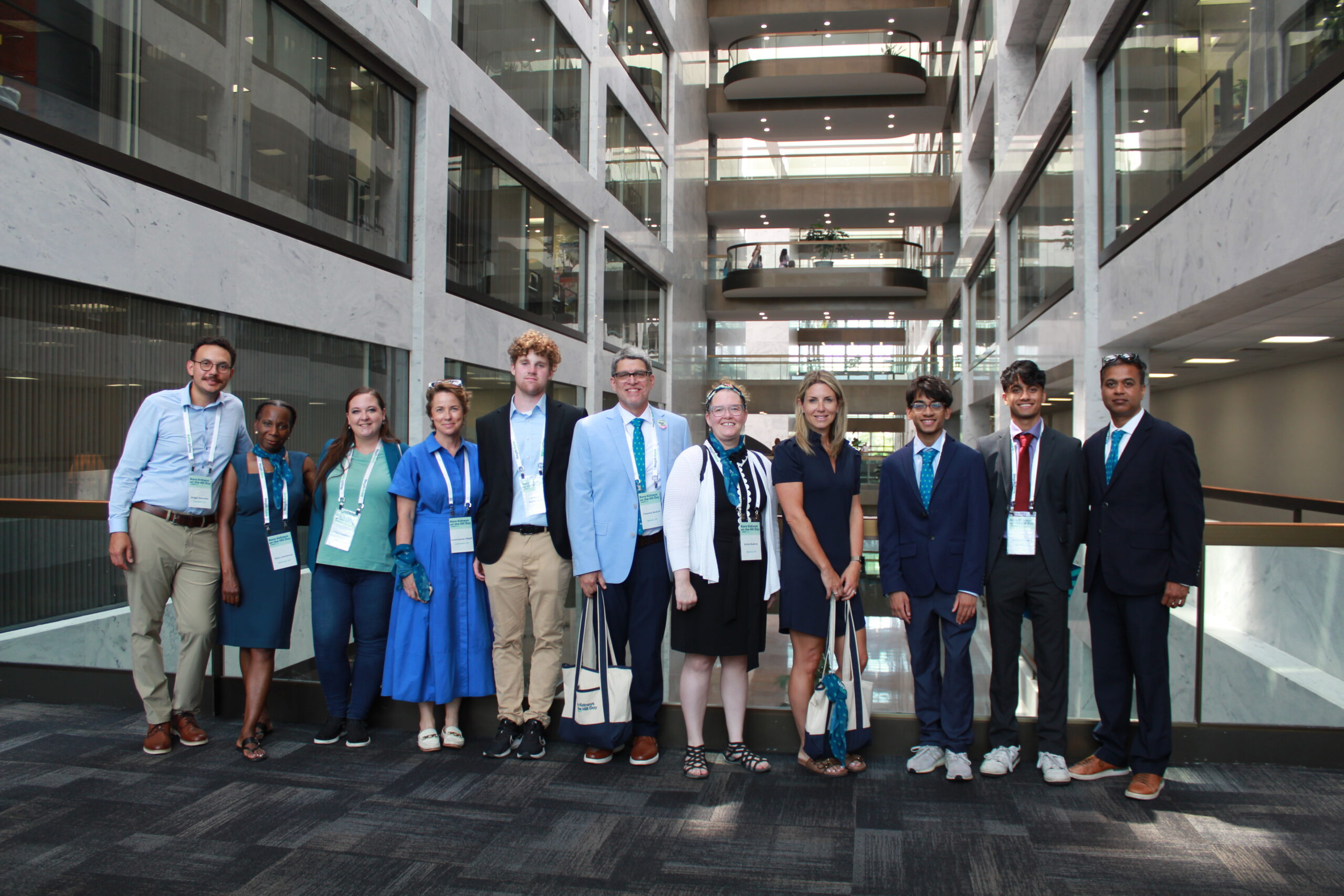
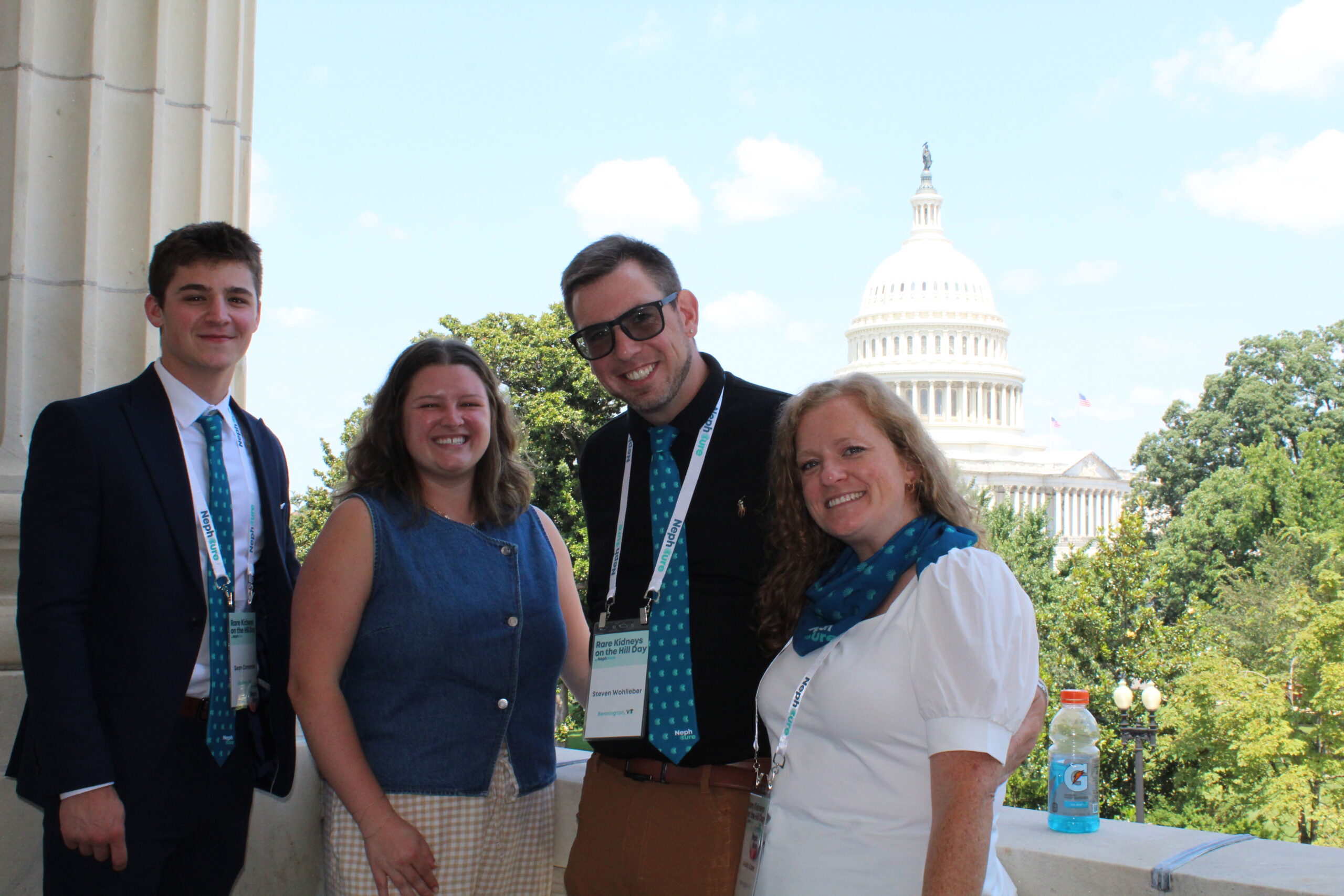
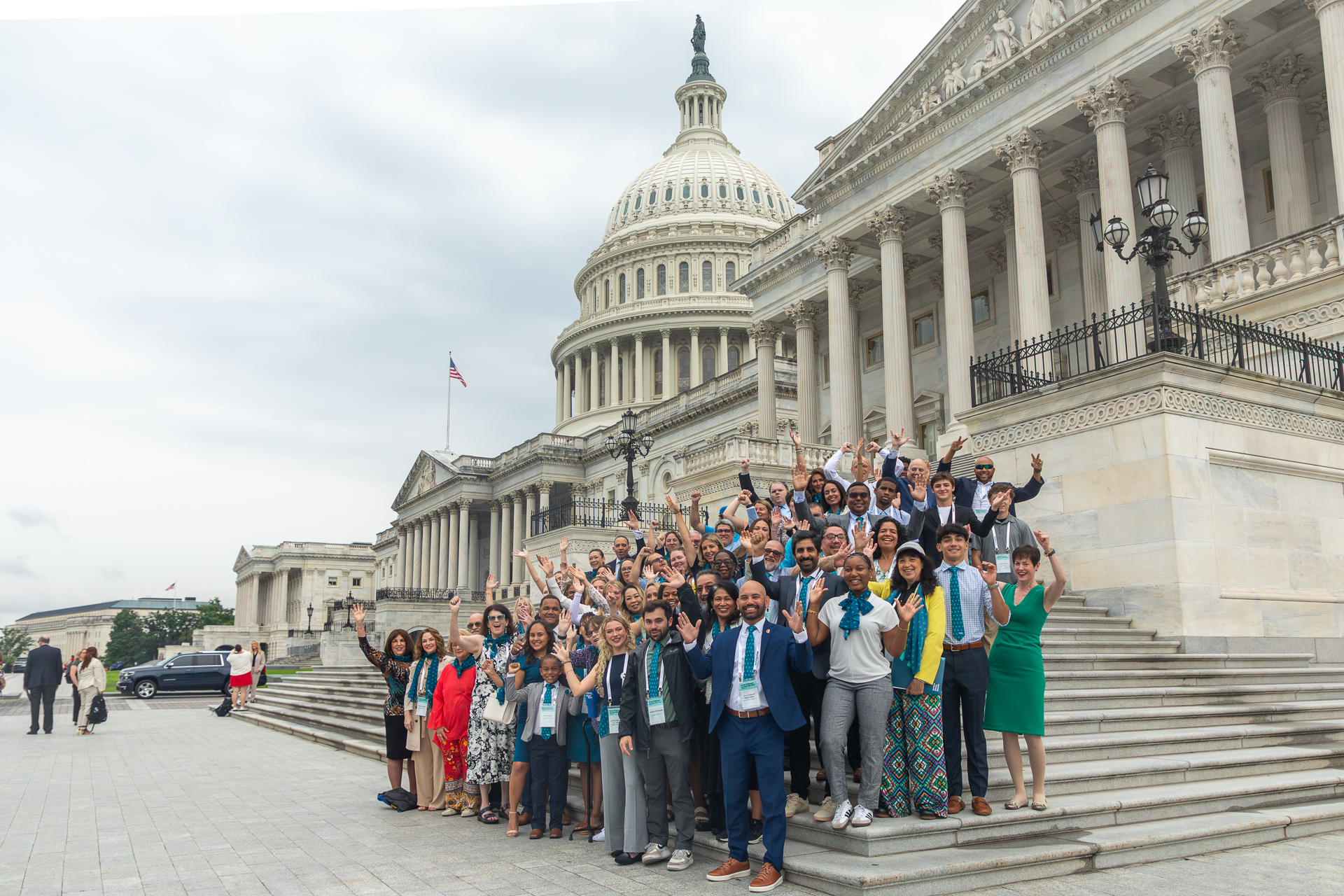
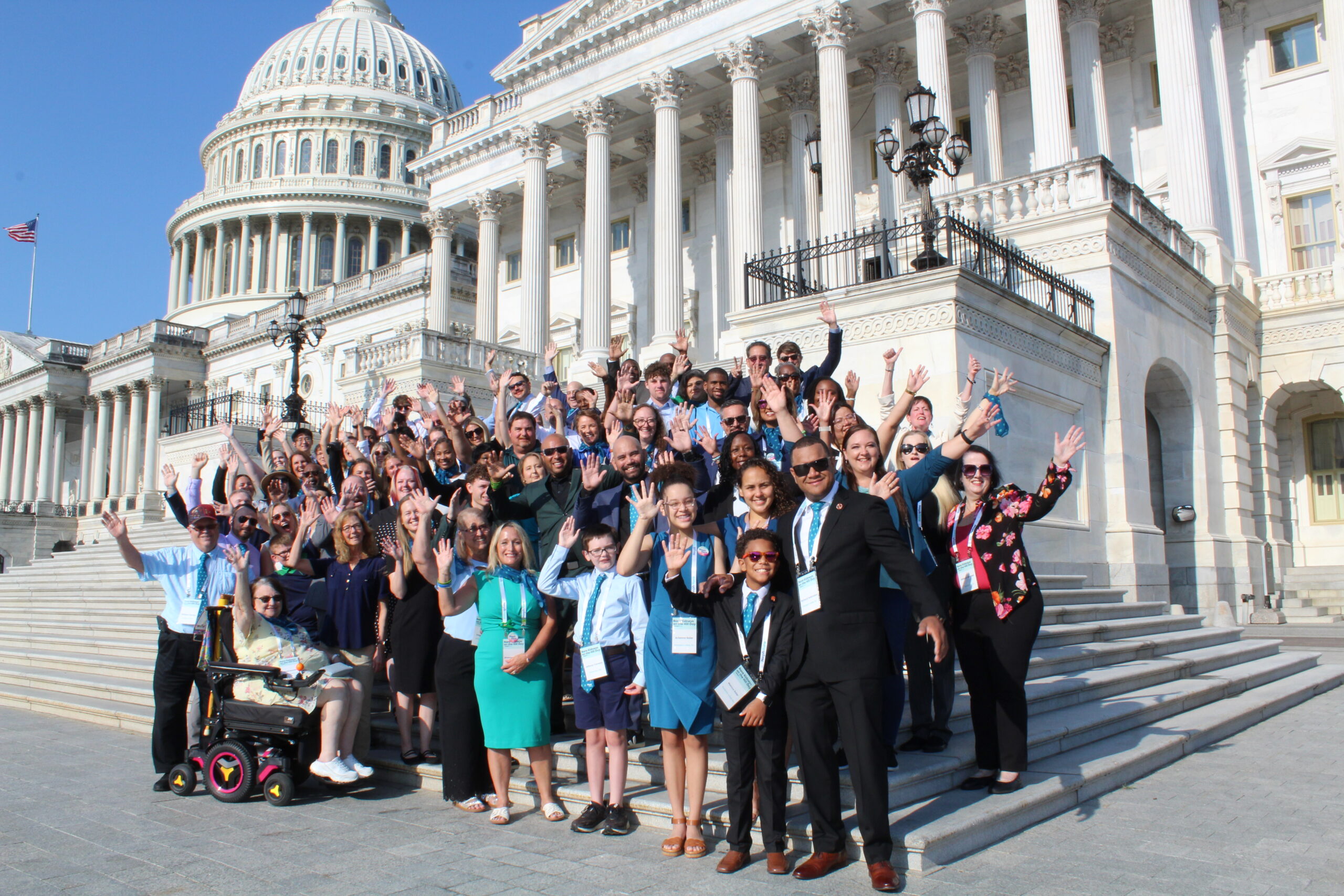
Washington, DC – August 19, 2025 – On July 23–24th, 2025, NephCure hosted its largest-ever Rare Kidneys on the Hill Day event that brought together 78 advocates from across 26 states, to raise awareness and educate lawmakers and advance legislative solutions for the rare kidney disease (RKD) community. 

The advocacy event focused on building support for H.R.1518, the New Era of Preventing End-Stage Kidney Disease Act (New Era Act),  the only bipartisan legislation solely focused on RKD that was reintroduced during Rare Disease Week by Representatives Gus Bilirakis (R-FL) and Terri Sewell (D-AL). This landmark legislation aims to improve  education and research, develop better diagnostic tools and effective treatments to delay kidney failure for individuals living with rare, protein-spilling kidney diseases like FSGS, IgAN, and minimal change disease. The bill would establish NIH Centers of Excellence to advance rare kidney disease research, expand early diagnosis through genetic testing, and improve care particularly in underserved communities. In addition,  it calls for creating  nephrology fellowships and primary care physician training to better diagnosis RKD and prevent long diagnostic journeys for patients. It also directs HHS to study treatments that could reduce the need for dialysis and transplants, with advocates urging Congress to maintain critical NIH funding to protect progress. 

Reflecting on the importance of the event, Matt Johnson, NephCure’s Director of Government Relations and Advocacy, emphasized: 

“Rare Kidneys on the Hill Day is about making sure the voices of patients and families are heard by policymakers in the halls of Congress. For far too long, rare kidney diseases have been overlooked in research funding, treatment development, and public awareness. This year, nearly 80 advocates met with 116 congressional offices to share their stories, push for critical legislation like the New Era Act, and ensure that rare kidney disease is a priority. We are incredibly grateful to the dedicated advocates who participated and it’s their courage and commitment that are the driving force behind NephCure.” 

The event kicked off with a Rally Dinner the night before the meetings on the Hill, where participants connected over shared experiences and prepared to share their personal journeys with lawmakers. Nearly two-thirds of attendees were first-timers, and many came with stories of long diagnostic delays, limited treatment options, and emotional tolls of navigating complex conditions. 

Over the course of two days, the NephCure community held 116 total meetings with congressional offices including 49 Senate, 67 House, and one direct Member-level meeting. These meetings spanned 26 states and included representation from 65 Democratic, 50 Republican, and one Independent office. In these meetings, advocates introduced themselves, shared their personal experiences with rare kidney disease, and explained how the New Era Act would directly impact their lives or the lives of their loved ones. These stories helped put a human face to the policy, reinforcing the urgency and need for congressional support. Their advocacy directly resulted in 13 new co-sponsors signing onto the New Era Act, bringing the total to 33 co-sponsors as of August 18th, 2025.  

This progress would not have been possible without the collective effort of the RKD community and the support of our partners. NephCure extends its gratitude to our generous sponsors:  Travere Therapeutics, Novartis, Otsuka and Vertex. 

If you weren’t able to attend Hill Day, you can still make a difference in NephCure’s advocacy efforts. Contact your Members of Congress and urge them to support the New Era Act, legislation that will advance critical research, improve patient outcomes, and bring us closer to better treatments for rare kidney diseases. Your voice matters and together, we can help ensure patients and families have the resources and hope they deserve. 

About NephCure:

NephCure’s mission is to empower people with rare, protein-spilling kidney disease to take charge of their health, while leading the revolution in research, new treatments, and care. Founded in 2000 by a group of committed patient parents, NephCure has invested more than $40 million in kidney disease research and helped create a landscape where there are now new treatments and more than 60 interventional drug trials for rare kidney diseases. NephCure is a U.S. tax exempt 501(c)(3) public charity.  
Get College Ready! 5 Things Every RKD High School Senior Should Know

Starting college is a major life transition and for students living with rare kidney disease (RKD), it comes with added layers of complexity. Whether you’re preparing to leave home for the first time or supporting a young adult who is, it can be tough to know where to begin. 

To help support young adults and families through this life stage, NephCure spoke with Sean Converse, a college senior and a young adult with RKD, who offered valuable insight into what it really means to prepare for the transition to college while managing rare kidney disease. 

1. Starting the Conversation at Home  
Before leaving for college, Sean emphasized the importance of having an open and honest conversation between teens and parents about health responsibilities.   

“Outline expectations around diet, medication management, and mental health care. Once these expectations are outlined and agreed upon by both the parent and teen, they need to work to build trust that the teen can fulfill those responsibilities,” said Sean.  

2. Choosing the Right Campus  
When considering where to attend college, Sean recommends factoring in healthcare access and available on-campus resources.  

Look into how close the campus is to nephrologists or other specialists. If the campus is far away from nephrology care, it will add stress to student and family. If you need help finding a specialist in your area, NephCure can help point you in the right direction. Please click the button below and fill out the form to receive assistance.  

Patient Navigation Services

Make sure that the university has a disability services office, sometimes called the Academic resource Center (ARC), or 504 Office, that will help you secure documented accommodations. 

Sean said, “When you go on the campus tour, ask about what resources they offer for someone with a rare disease. Then, work with the resource center and your doctor to have accommodation documents drafted before school starts. Make sure that everything is documented, being very detailed in what is allowed and not allowed and get a copy of the documents.” 

Examples of accommodations might include extra time on exams, excused absences for medical appointments, dietary modifications in dining halls, or access to a private room or bathroom. 

It is extremely important that students with rare kidney disease take the initiative to get their accommodations formalized through the university. This is because professors cannot require students to disclose private health information unless the student chooses to share it through the official accommodations process. 

FERPA (the Family Educational Rights and Privacy Act) protects the privacy of students’ education records. It does not prevent a professor from casually asking a student how they are doing. For example, a teacher may ask, “Are you feeling okay?” or “Is everything alright?”—that is not a FERPA violation. However, students are never obligated to share medical details, and professors are not allowed to demand or keep records of health information outside of the formal accommodation process. So, if the accommodations and details of the student’s medical struggles are not documented, a professor may never fully understand the student’s needs. 

“By having the conversations to confirm that you will have access to resources, you put yourself in the best position to succeed,” said Sean. 

Sean shared that students could receive accommodations regardless of school size. “You can get accommodations in a smaller school or a big school. I go to a small school, and I got the accommodations I need. On the other hand, I helped my friend Ella, who has a rare kidney disease, have a car on campus, when that normally is not allowed, and get a private room.” 

3. Dorm Life and Roommate Selection  
Sean stressed that every student’s preference and medical needs are different when it comes to dorm life. Some may prefer a private room; others may opt for traditional shared housing. What matters is that students feel comfortable and understand what their options are. 

Roommate selection can be approached however feels right. Students don’t have to disclose their diagnosis unless or until they feel ready. 

4. Preparing Accommodations During Senior Year  
To start college strong, Sean recommends using senior year of high school to proactively prepare. This includes: 

  • Gathering documentation for accommodation requests. 
  • Reaching out to the university’s disability services office early to understand the process.  
  • Speaking with a medical team to determine whether living away from home is appropriate. “Ask if moving out is something they recommend? A simple question may lead to a broader conversation,” said Sean. 

5. Preparing Emotionally and Socially 
Finally, Sean reflected on the social side of the transition. Moving into a new peer group can be daunting, especially for young adults who have previously felt misunderstood or isolated due to their health. 

His advice is simple but meaningful: be open to meeting people and share your diagnosis only when and if you feel ready. Building friendships with people who are accepting and respectful can make a big difference during this transitional period. 

“Be yourself, don’t be afraid to put yourself out there. Be willing to go out and meet people. You don’t have to mention your disease at first if you don’t want to. And be friends with people that accept you,” said Sean. 

You’ve got this!  
Preparing for college as a student with a rare kidney disease involves more than just packing and registering for classes. It’s about developing independence, advocating for support, and setting yourself up for success both academically and medically. 

With insights from peers like Sean and the support of NephCure’s tools and community, students and their families don’t have to navigate this transition alone.  

For more guidance and to connect with others in the rare kidney disease community, visit the Get Involved tab on our website. 

NephCure Launches Improved Clinical Trial Page to Help Rare Kidney Disease Patients Find Studies That Match Their Unique Health Needs

Aug. 1st, 2025 – NephCure proudly announces the launch of its redesigned Clinical Trials webpage and Am I a Match? tool, built to offer an easier and more personalized way for patients and caregivers to search for clinical trial opportunities for rare, protein-spilling kidney diseases.

These updates are designed with the rare kidney disease (RKD) community at the center, aiming to reduce confusion, save time, and help people feel more confident navigating clinical trials. By simplifying how patients find and understand research opportunities, this launch reflects NephCure’s ongoing goal of connecting people living with RKD to expert care as quickly as possible.

What’s New?

At the core of the update is the improved “Am I A Match?” tool – an interactive questionnaire that helps patients quickly see which clinical trials might be a good fit for them based on their current health situation. 

The tool focuses on a few non-identifying questions about things like: 

  • Your RKD diagnosis
  • If you’re on dialysis or had a transplant  
  • Whether you’ve had a kidney biopsy
  • Your kidney function, and past treatments. 

Once the questionnaire is completed, the tool filters available clinical trials based on the responses, so users can see only the studies that might apply to them. 

Additional filtering features allow users to:

  • Filter results by age group, trial type, diagnosis, enrollment status, and location
  • Search by zip code to find trials close to home
  • Download a personalized list of trial matches as a PDF to share with their doctor, care team, or family

Each clinical trial listing gives users a quick snapshot of what the study is about, who it’s for, and what’s involved. If individuals find a trial that seems like a good fit, they can fill out a form and click “I’m Interested” to directly send an inquiry to the research team.

For many living with rare, protein-spilling kidney diseases like FSGS, IgAN, or C3G, clinical trials can provide early access to promising treatments. This updates webpage is designed to make the process of understanding which clinical trials are relevant to be less intimidating and more accessible. 

To explore the redesigned Clinical Trial webpage and “Am I a Match?” tool, visit https://nephcure.org/managing-rkd/clinical-trials/

About NephCure:

NephCure’s mission is to empower people with rare, protein-spilling kidney disease to take charge of their health, while leading the revolution in research, new treatments, and care. Founded in 2000 by a group of committed patient parents, NephCure has invested more than $40 million in kidney disease research and helped create a landscape where there are now new treatments and more than 60 interventional drug trials for rare kidney diseases. NephCure is a U.S. tax exempt 501(c)(3) public charity.  

The FDA Approves EMPAVELI, New Treatment Option for C3G and Primary IC-MPGN

In a continued wave of progress for rare kidney disease (RKD) treatments, the FDA has approved the drug EMPAVELI (pegcetacoplan) for use in patients 12 and older with C3 glomerulopathy (C3G) or primary immune complex membranoproliferative glomerulonephritis (IC-MPGN). This approval also includes individuals who have experienced disease recurrence after kidney transplant.

C3G and primary IC-MPGN are ultra-rare, progressive diseases that damage the filtering units of the kidneys and can ultimately lead to kidney failure. 

“The approval of EMPAVELI is a historic milestone for people living with C3G and primary IC-MPGN, many of whom are adolescents or young adults,” said Josh Tarnoff, NephCure CEO. “We recognize Apellis’ commitment to these patients and their families, and to the research and innovation that will bring this life-changing treatment into the hands of patients that need it most.”

What the Research Shows

The FDA’s approval of EMPAVELI is based on results from a Phase 3 clinical trial called VALIANT, which looked at how well the treatment worked in people with C3G or primary IC-MPGN.

The study found that patients who received EMPAVELI experienced:

  • A 68% reduction in proteinuria, a key sign of disease activity
  • Stabilization of kidney function, helping to slow disease progression
  • Significant reduction in C3 deposits in the kidneys, with 71% of patients showing no remaining deposits on follow-up testing

What This Means for the RKD Community

With this approval, EMPAVELI becomes an additional option for patients and families navigating life with C3G or primary IC-MPGN. It follows the FDA’s March 2025 approval of FABHALTA for adults with C3G and continues the encouraging trend toward increased treatment options for people with rare kidney diseases.

There are now five FDA-approved treatment options for rare kidney disease:

  • EMPAVELI (pegcetacoplan) – Approved for C3G and Primary IC-MPGN
  • FABHALTA (iptacopan) – Approved for C3G and IgAN
  • FILSPARI (sparsentan) – Approved for IgAN
  • TARPEYO (budesonide) – Approved for IgAN
  • VANRAFIA (atrasentan) – Approved for IgAN

NephCure remains dedicated to advancing education, support, and advocacy for individuals affected by C3G and other RKDs. The organization encourages patients and families to speak with their healthcare providers to determine whether EMPAVELI or any other available treatment may be appropriate based on individual needs.

To read Apellis’ full press release on EMPAVELI’s approval, click here.

For more information on C3G, IC-MPGN, and available resources, visit NephCure.org.

Kidney Health Advocates from Across the Country Urge Congress to Support the New Era Act During NephCure’s Rare Kidney Day at the U.S. Capitol

NephCure mobilized nearly 70 patients, advocates, and medical professionals to advocate for federal legislation to improve the understanding and treatment of rare kidney diseases.  

Washington, DC, August 8, 2024 – NephCure, the only national kidney organization squarely focused on rare, protein-spilling kidney diseases, hosted its annual Rare Kidneys on the Hill Day in late July to advocate for the New Era of Preventing End-Stage Kidney Disease Act (H.R. 6790), bipartisan federal legislation to improve the lives of rare kidney disease patients. The annual Hill Day included nearly 90 in-person meetings with members of Congress and legislative staff followed by an evening reception for congressional staff, patients, and their families. Sixty-eight advocates, including six physician advocates, from 22 states traveled to Washington, D.C. to participate in the annual event. As a direct result of Hill Day, an additional eight members of Congress across political parties signed on to co-sponsor the New Era Act, bringing the total number of cosponsors to 14. 

NephCure advocates and staff conducted nearly 90 in-person meetings with congressional staff from the U.S. Senate and House of Representatives, more than they had ever held at a Rare Kidneys on the Hill Day before. Advocates met with staff from Congressional offices including Representatives Jefferson Van Drew (R-NJ), Susan Wild (D-PA), Michael Lawler (R-NY), Glenn Thompson (R-PA), Bill Pascrell (D-NJ), and Bill Posey (R-FL).

“The New Era Act gives hope to the kidney disease community, offering a comprehensive approach to early detection, provider education, and innovative treatments that will enhance the quality of life for patients and their families,” said Matthew Johnson, Director, Government Relations and Advocacy at NephCure. “We are incredibly grateful to the dedicated advocates who participated in this Hill Day to urge Congress to pass the New Era Act to help usher in a new era of kidney health. It’s the courage and commitment of patients living with rare kidney diseases, their families, and the physicians who care for them that are the driving force behind NephCure.” 

Introduced by Representatives Gus Bilirakis (R-FL) and Terri Sewell (D-AL), the New Era Act is bipartisan legislation aimed at transforming the way our nation approaches kidney health through early detection, research, and innovative treatments to combat kidney disease. The New Era Act seeks to expand access to screening and educational resources, invest in cutting-edge research, and enhance care coordination for patients with kidney disease. By prioritizing diagnosis and innovation, the New Era Act holds the promise of improving the lives of millions of Americans at risk of or living with kidney disease, while also reducing associated healthcare costs. 

You can watch a video of Rare Kidneys on the Hill Day here.

About NephCure

NephCure is the only kidney organization focused on nephrotic syndrome, FSGS, IgAN, and other rare, protein-spilling kidney diseases. They are working on creating a new reality where more rare kidney disease (RKD) therapies exist, and more patients get the care they need. 

To date, NephCure has invested $40 million into rare kidney disease research, growing the number of interventional drug trials for RKD from zero to more than sixty and counting. Everything Nephcure does is for RKD patients, connecting them and their families to the best care, resources, and community support available. NephCure collaborates directly with government officials and industry partners to pave the way for more clinical trials, drug approvals, and community awareness. By building bridges between patients, families, healthcare providers, and other key stakeholders, they lift everyone up under one common purpose: to find a cure for rare kidney disease.

About the New Era Act 

The New Era of Preventing End-Stage Kidney Disease Act (“New Era Act”), introduced by Representatives Gus Bilirakis (R-FL) and Terri Sewell (D-AL), has the potential to bring about significant positive changes in how we understand, treat, and study rare kidney diseases (RKD). 

Empower Patients & Communities. The New Era Act will support public information and patient education campaigns, promoting informed communities and empowering patients to take charge of their health care journey.

NephCure Celebrates Inaugural FSGS Awareness Day on June 10, 2025

NephCure, a leading nonprofit organization dedicated to improving the lives of people affected by rare kidney diseases, is proud to recognize the first-ever FSGS Awareness Day on June 10, 2025. This landmark day is dedicated to shining a light on focal segmental glomerulosclerosis (FSGS), a rare and progressive kidney disease that affects all age groups and often leads to kidney failure.

FSGS Awareness Day aims to elevate the voices of patients and caregivers, spotlight the urgent need for earlier diagnoses and better treatment options, and honor the strength of the community navigating this disease every day.

FSGS is characterized by scarring in the kidney’s filtering units, which leads to protein loss in the urine and progressive loss of kidney function. It is a leading cause of end-stage kidney disease in children. Despite its serious impact, FSGS remains largely unfamiliar to the public — making education and advocacy critically important.

NephCure is committed to providing support and educational resources for those affected, while accelerating research and access to care. With continued collaboration between patients, healthcare providers, researchers, and industry, progress is being made toward treatments that can slow progression and improve quality of life.

Join Us: FSGS Awareness Day Town Hall – June 10 at 7pm ET

To mark this important occasion, NephCure will host a free, virtual FSGS Awareness Day Town Hall on Tuesday, June 10 at 7pm ET. The event will feature insights from leading nephrologists Dr. Kirk Campbell and Dr. Rasheed Rastogi, alongside the powerful story of Jamayka Webb, an individual living with FSGS. Together, they will discuss the current landscape of FSGS care, emerging treatments, and how patients and families can advocate for themselves. Click here to register.

Thank you to our corporate partners, Travere Therapeutics, Boehringer Ingelheim, Dimerix, Sanofi, and Apellis, who are working to improve the lives of FSGS patients and families.

To learn more about FSGS Awareness Day, register for the Town Hall, or explore patient resources, visit NephCure.org/fsgs-awareness-day-2025.

About NephCure:
NephCure’s mission is to empower people with rare, protein-spilling kidney diseases to take charge of their health while leading the revolution in research, new treatments, and care. Since 2000, NephCure has invested more than $40 million in kidney disease research and helped transform the treatment landscape through advocacy, education, and support. NephCure is a U.S. tax-exempt 501(c)(3) public charity.

Thank you to our corporate partners

Those that are working to improve the lives of FSGS patients and families.